The most common mistakes in a 12-week transformation include setting unrealistic expectations, training too hard too soon, following unsustainable diets, and neglecting recovery. Success comes from gradual habit-building, proper progress tracking beyond the scale, and working with a coach who can keep you consistent and accountable.
Key Takeaways
- Expecting visible results in the first week leads to frustration and dropout — focus on consistency over speed
- Starting with six sessions per week often causes burnout; three quality sessions is a stronger foundation
- Extreme calorie restriction triggers muscle loss and binge cycles, undermining long-term results
- Tracking measurements, strength gains, sleep quality, and energy provides a fuller progress picture than bodyweight alone
- Recovery — including seven or more hours of sleep — is essential, not optional
Key Takeaways:
- Unrealistic expectations and chasing fast results often backfire.
- Going “all in” with extreme training or dieting can lead to burnout.
- Skipping progress tracking beyond the scale means missing true wins.
- Ignoring recovery, sleep, and stress management undermines results.
You’ve seen the before-and-after shots. You’ve heard friends talk about how “life-changing” their 12-week transformation was. So, you commit. New gear. New plan. New you.
Three weeks later, you’re sore, exhausted, questioning your life choices, and elbow-deep in a takeaway. Sound familiar?
The truth? Most people fail, not because they’re lazy or unmotivated, but because they unknowingly sabotage their own transformation from day one.
Here are the seven most common mistakes we see and how to avoid them.
1. Expecting Results Too Fast
Your body doesn’t care about your timeline. It adapts based on consistency, not wishful thinking. Expecting visible changes after one week can lead to frustration and bailing before the real results kick in.
What to do instead:
Focus on consistency. Track your habits and energy, not just your weight. Trust the process.
2. Doing Too Much, Too Soon
We get it—you’re pumped. You want to train six days a week, overhaul your diet, sleep like a monk, and meditate daily. But doing it all at once is the fastest route to burnout.
What to do instead:
Start with 3 workouts a week. Nail your sleep. Drink more water. Build momentum gradually.
3. Following Unsustainable Diets
Cutting out entire food groups. Eating 1200 calories a day. Living on boiled chicken. It might feel “disciplined,” but it’s often just setting yourself up for failure (and a binge).
What to do instead:
Adopt a nutrition strategy you could imagine doing six months from now. Aim for flexibility, not perfection.
4. Not Tracking Progress Properly
The scale is just one tool—and a flawed one at that. If that’s all you track, you’re missing out on huge wins like strength gains, better sleep, or improved energy.
What to do instead:
Track measurements, progress photos, how your clothes fit, mood, strength levels, and recovery.
5. Not Prioritising Recovery
No rest days. Poor sleep. Constant stress. It’s a recipe for plateaus, mood swings, and eventually, quitting.
What to do instead:
Recovery isn’t optional—it’s the other half of the results equation. Sleep at least 7 hours. Take rest days seriously. Schedule time to relax.
6. Doing It Alone
Trying to reinvent your body with zero guidance is like attempting brain surgery with a YouTube video. Possible? Maybe. Smart? Not really.
What to do instead:
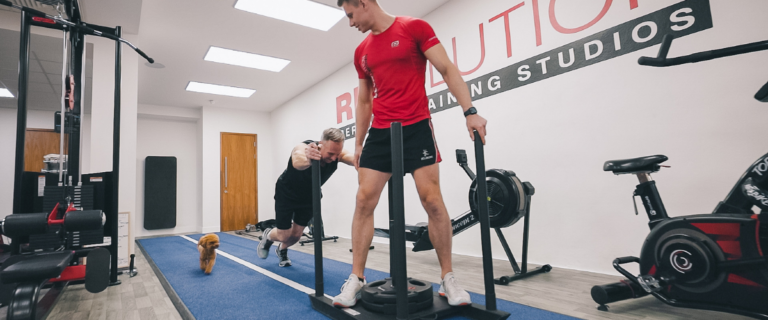
Get help. A coach, program, or accountability partner will save you time, energy, and unnecessary setbacks.
If you want expert coaching built around your life, Revolution PTS offers in-person and hybrid plans that deliver clarity and results.
7. Treating It Like a 12-Week Sprint
Yes, it’s a 12-week program. But the real goal is sustainable change, not just short-term progress. If you crash diet and overtrain your way to the finish line, you’ll be right back where you started.
What to do instead:
Use the 12 weeks to build habits you can carry forward. Think of it as a launchpad, not a finish line.
Final Thought: Do It Right the First Time
The people who see the biggest results from 12-week transformations aren’t the most shredded or disciplined. They’re the ones who plan smart, stay consistent, and treat it as a stepping stone—not a quick fix.
Avoid these mistakes, and your transformation won’t just change your body. It’ll change your approach to health for good.
Need help getting started the right way?
Explore our proven 12-Week Transformation Program at Revolution PTS and make this the last time you start over.
The Science of Habit Formation During a Transformation
Research into behaviour change suggests that new habits take an average of 66 days to become automatic, according to a study published in the European Journal of Social Psychology. A 12-week programme (84 days) provides enough time for new exercise and nutrition habits to become embedded — but only if you build gradually rather than attempting a complete lifestyle overhaul on day one.
Start with two or three anchor habits in week one, such as fixed training days, a consistent bedtime, and a simple meal prep routine. Once these feel automatic, layer in additional changes. This staged approach reduces decision fatigue and dramatically improves adherence compared to the all-or-nothing strategies that cause most people to quit.
Why Recovery Is the Other Half of Your Results
Many people underestimate the role of recovery in a transformation. Muscle repair and adaptation happen during rest, not during the workout itself. The NHS recommends seven to nine hours of sleep per night for adults, and research consistently links poor sleep to increased levels of the hunger hormone ghrelin, reduced willpower, and impaired exercise performance.
Beyond sleep, active recovery strategies such as walking, stretching, and managing psychological stress all contribute to better outcomes. If you find yourself constantly fatigued, struggling with persistent soreness, or seeing your performance decline, these are signs of insufficient recovery — not a reason to train harder.
How Accountability Changes Everything
A study from the American Society of Training and Development found that people who commit to someone else have a 65 percent probability of completing a goal, and that rises to 95 percent when they have ongoing accountability appointments. This is one of the primary reasons working with a personal trainer or joining a structured programme produces better adherence than going it alone.
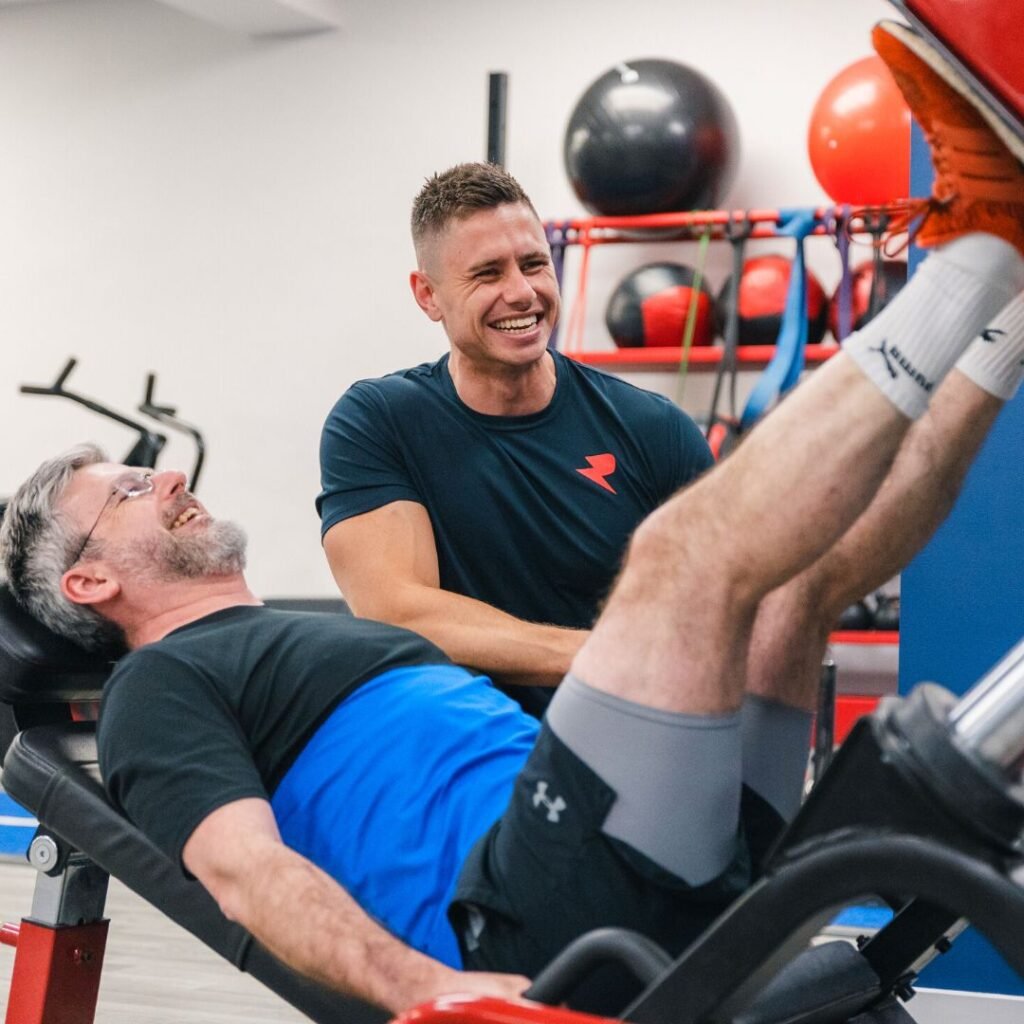
Accountability does not mean having someone shout at you. It means having a trusted coach who tracks your progress, adjusts your plan when life gets in the way, and keeps you focused on the process rather than short-term fluctuations. At Revolution PTS, every client has a dedicated trainer who provides exactly this level of consistent, personalised support.
Frequently Asked Questions
How quickly should I expect results from a 12-week transformation?
Most people notice measurable changes in energy, strength, and how clothes fit within the first three to four weeks. Visible body composition changes typically become clear from week six onwards. The NHS recommends aiming for a steady rate of 0.5 to 1 kg of fat loss per week for sustainable results.
How many times a week should I train during a 12-week programme?
Three to four structured resistance training sessions per week is optimal for most beginners. This provides enough training stimulus for adaptation while allowing adequate recovery time. The ACSM recommends at least two resistance training sessions per week for health benefits, with three to four being ideal for body composition goals.
Is it normal to feel hungrier when starting a transformation programme?
Yes. Increased physical activity raises energy expenditure, which can increase appetite. Rather than ignoring hunger, focus on nutrient-dense meals with adequate protein (1.6 to 2.2 grams per kilogram of bodyweight daily, as recommended by the British Journal of Sports Medicine) to support both satiety and muscle recovery.
Should I do cardio or weights for a 12-week transformation?
Resistance training should form the foundation of most 12-week programmes because it preserves lean muscle during fat loss. Cardio can supplement this for cardiovascular health and additional calorie expenditure, but should not replace strength work. A combination of both produces the best body composition outcomes.
Why do people fail 12-week transformation programmes?
The most common reasons are unsustainable diets, excessive training volume from the start, lack of accountability, and only measuring progress by bodyweight. Building realistic habits gradually and working with a qualified trainer significantly improves completion rates and results.
Can I do a 12-week transformation without a personal trainer?
It is possible, but completion rates and results improve significantly with professional guidance. A trainer provides structured programming, technique correction, and accountability — all of which reduce the risk of injury, plateau, and dropout.
What should I eat during a 12-week transformation?
Focus on a balanced diet with sufficient protein to support muscle recovery, complex carbohydrates for training energy, and healthy fats for hormone function. Avoid extreme restriction. NICE guidelines recommend a balanced approach to nutrition that can be maintained beyond the programme itself.
How important is sleep during a transformation?
Sleep is critical. The NHS recommends seven to nine hours per night for adults. During sleep, the body releases growth hormone and repairs muscle tissue damaged during training. Poor sleep is linked to increased appetite hormones, reduced recovery, and impaired performance.
Sources & References
- NHS — Healthy Weight Loss Guidance — Recommends a steady rate of 0.5 to 1 kg per week for safe, sustainable fat loss without excessive muscle loss.
- ACSM — American College of Sports Medicine Resistance Training Guidelines — Recommends a minimum of two resistance training sessions per week, with three to four for optimised body composition outcomes.
- British Journal of Sports Medicine — Protein Intake for Resistance Training — Systematic review recommending 1.6 to 2.2 grams of protein per kilogram of bodyweight daily for individuals engaged in resistance training.
- NICE — Weight Management Guidelines — Advises a balanced, sustainable approach to nutrition and physical activity for long-term weight management.
- NHS — Sleep and Recovery — Recommends seven to nine hours of sleep per night for adults, highlighting its role in physical recovery and appetite regulation.