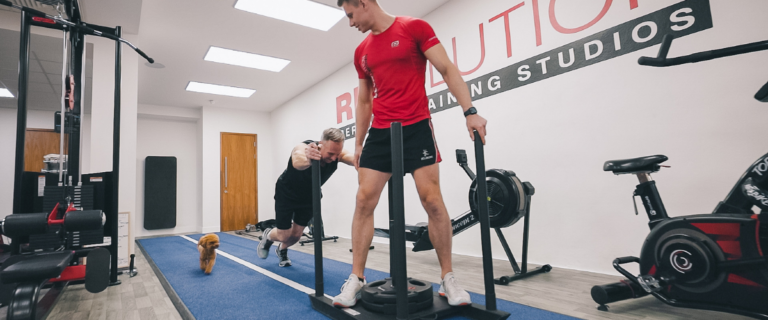
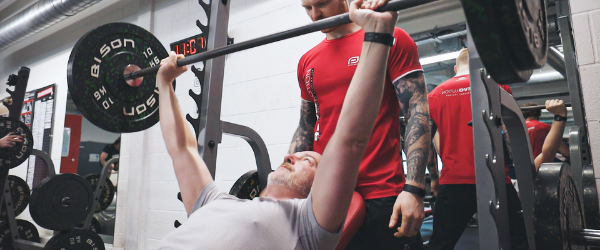
Achieving your fitness goals requires three fundamental steps: honestly assessing your current habits and fitness level, setting specific and measurable goals with a clear 12-week timeline, and committing to a structured training plan with professional guidance. Most people fail because they set vague goals without examining their current routines. A personal trainer helps create accountability and a tailored programme that fits your lifestyle.
Key Takeaways
- Start by honestly assessing your current exercise habits, diet, and lifestyle before setting new goals
- Set specific, measurable goals over a 12-week period — long enough to achieve meaningful results but short enough to stay motivated
- Answer two key questions: what exactly do you want to achieve, and why does it matter to you personally
- The type of exercise you enjoy is the type you will stick with — enjoyment predicts consistency
- Working with a personal trainer provides accountability, proper programming, and expert guidance tailored to your individual needs
Achieve Your Fitness Goals in 2021 (In 3 simple steps)
Most of us are familiar with excitedly setting training and fitness goals for the New Year which often include how we’re going to lose weight, exercise more, give up alcohol and stop eating cheese.Unfortunately, many of us are also familiar with the reality seven days later, opening a bottle of wine and tucking into a slab of leftover stilton with cream crackers. Make 2022 the year you hit your fitness goals by following Revolution Personal Training Studio’s simple 3 step fitness plan, which will not only guide you to hit your health and fitness goals but also allow you to enjoy a glass of wine or two…
Does your exercise regime work?
You’ve got to be truthful with yourself to be able to progress forwards. Before you plot the path of where you want to go, you’ve got to know where you’re at today.
Some questions to ask yourself:
- What type of food and drink do I regularly overindulge in?
- On average, how many times per week did I train last year?
- Did my training regime negatively or positively impact my work life/home life/social life?
- Did I enjoy the type of exercise I did last year? (the more you enjoy the exercise you do, the more likely you are to continue – and therefore achieve the results you want)
You can’t fix something if you don’t know it’s what’s causing the problem. You need to look closely and honestly at your habits and exercise routines, as only then can you interrupt them and create new ones that serve you and your goals better. This is often when a personal trainer comes in.
Set Your Fitness Goals and Build a Training Plan
Human beings thrive on targets and aims. We’re hard-wired for this. This is why at Revolution Personal Training Studios we recommend that people set personal training goals over a 12 week period, as this time-frame is a sweet spot. It’s a long enough time to achieve a major goal, but short enough to stay motivated. There are two simple yet important questions to ask when setting goals:
- What do I want?
- Why do I want to achieve this fitness goal?
When answering the question ‘what do I want?’ it’s important to be really precise with the language you use – both written and verbal. For example, if you want to lose weight set a specific target. Once we do this, our chances of succeeding increase dramatically. This is obvious and logical as you can’t get anywhere unless you first know where you want to go. The flipside of being really specific about what we want is that we open ourselves up to the possibility of failure. Therefore, it takes courage to state clearly what you want to achieve, but it’s absolutely necessary if you are going to achieve your personal training goals.
When answering the second question ‘why do I want to achieve this fitness goal?’ it’s important to be really honest. Don’t make your goals what you think they ought to be, make them what you actually want. This is two-fold – not only do you have the power of positive emotions working for you, but you’re also working in alignment with your core values because you’re being truthful.
After truthfully answering these two questions, you’re now in a position to build a plan. Make this plan realistic to follow and sustainable. If, for example, you answered in Step 1 that you exercised once per week in 2019, don’t expect to suddenly be able to exercise 5 times per week in 2021. Small changes made daily and weekly really do push you towards your longer-term goal.
Step 3 – Action and Accountability
You’ve got your plan in place – now you need to consistently follow it. Trust the process, and depending on your goal keep a record of how far you ran, the weights you lifted or foods you’ve eaten. Assess your progress and tweak your approach depending upon feedback and progress. Schedule a regular check-in with a trusted friend or family member and update them on your progress.
Hiring a personal trainer is a great way to create additional accountability. Your trainer will also provide expertise in how to build the right training and nutritional plan, whilst ensuring you’re lifting weights safely and effectively.
At Revolution we offer a free taster session of personal training, completely without any obligation to sign up. In this free taster session, one of our personal trainers will walk you through the process described above. You will also be taken through a workout so you can get a complete understanding of how we can help you achieve your goals.
Frequently Asked Questions
Why do most New Year fitness resolutions fail?
Most fitness resolutions fail because people set vague goals without examining their current habits or creating a structured plan. Saying ‘I want to lose weight’ without defining how much, by when, and what specific actions you will take makes it nearly impossible to measure progress or stay motivated.
How long should a fitness goal timeline be?
A 12-week timeline is recommended as a sweet spot for fitness goals. It is long enough to achieve meaningful physical changes but short enough to maintain motivation and focus. After 12 weeks, assess your progress, celebrate achievements, and set new goals for the next phase.
Why is goal specificity important for fitness success?
Specific goals dramatically increase your chances of success because they give you a clear target to work towards and a way to measure progress. Rather than ‘lose weight,’ a specific goal would be ‘lose 6kg in 12 weeks through 3 training sessions per week and a structured nutrition plan.’
How does a personal trainer help you achieve fitness goals?
A personal trainer provides a tailored programme designed for your specific goals, current fitness level, and any limitations. They ensure exercises are performed safely and effectively, adjust your programme as you progress, and provide accountability that keeps you consistent.
What should you assess before starting a fitness programme?
Before starting, honestly assess your current training frequency, dietary habits, how exercise affects your work and social life, and whether you enjoyed your previous exercise routine. Understanding your starting point allows you to create realistic goals and identify habits that need to change.
How do you stay motivated with a fitness plan?
Choose exercise you genuinely enjoy, as enjoyment is the strongest predictor of long-term consistency. Set specific short-term milestones within your 12-week plan, track your progress regularly, and work with a personal trainer who provides accountability and adjusts your programme to keep it challenging and engaging.
Sources & References
- NHS — Physical Activity Guidelines for Adults — Recommends at least 150 minutes of moderate intensity activity per week plus strengthening activities on 2 or more days.
- WHO Guidelines on Physical Activity and Sedentary Behaviour (2020) — Global recommendations on physical activity frequency, duration, and type for health benefits in adults.
- NICE Guidelines — Behaviour Change: Individual Approaches — Evidence-based strategies for setting goals, building motivation, and maintaining health behaviour changes.