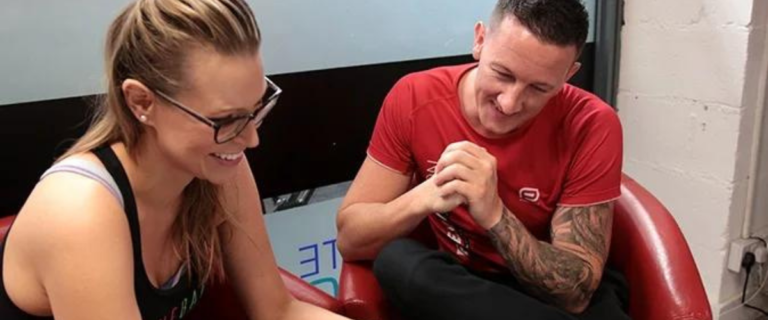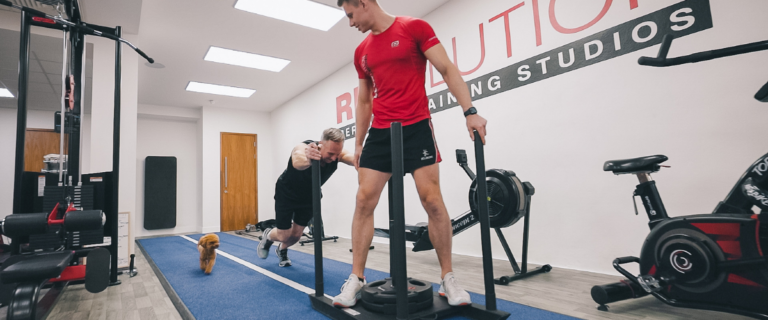
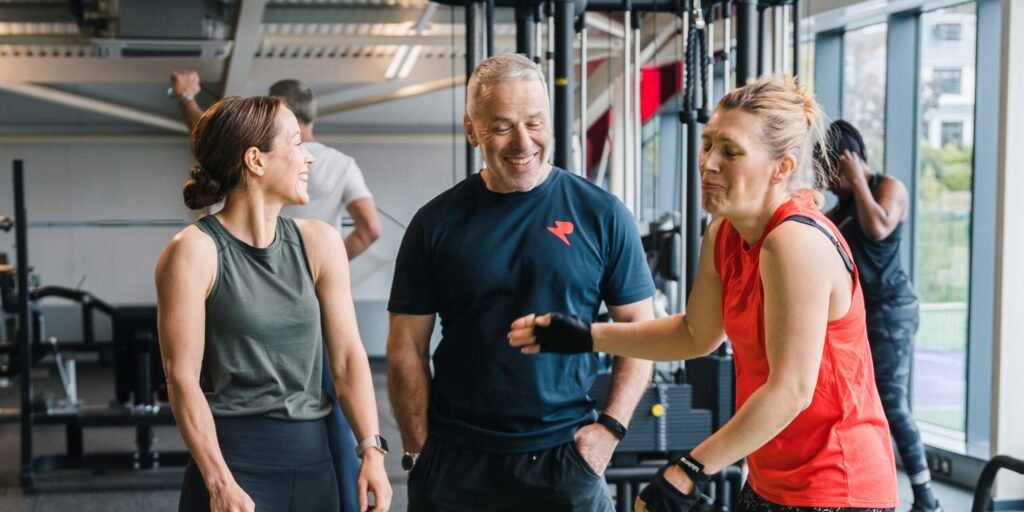
Your first personal training session typically lasts about one hour and includes a discussion of your goals and fitness history, baseline measurements, and a brief introductory workout tailored to your current fitness level. The session is designed to be zero-obligation, so you can experience the training style and environment before making any commitment. There is no hard sell involved.
Key Takeaways
- A first PT session typically includes goal setting, baseline measurements, and a brief introductory workout
- Your trainer will call you beforehand to discuss goals, training history, injuries, and scheduling preferences
- The introductory workout is tailored to your current fitness level — you do not need to be fit to attend
- First sessions are zero-obligation with no pressure to sign up afterwards
- Wear comfortable training clothes and trainers — towels and shower facilities are typically provided
Are you ready to kickstart your fitness journey and transform your body in just 12 weeks? At Revolution, our premier fitness studio offers personalised trainer programmes and nutrition plans to help you achieve your fitness goals. We have spent 15 years creating a warm, welcoming and highly effective environment for you to comfortably reach your goals and enjoy your training.
In this blog, we’ll explore how our FREE taster session works and how Revolution’s certified personal trainers can help you reach your fitness goals faster and more efficiently. The first step towards a healthier, happier you!
Will I hear from you before my trial session?
At Revolution, it’s our priority to tailor our trainer programmes to each client, so you can expect a quick call after you get in touch and prior to your first session for us to find out about your training goals, previous training experience, and any injuries and conditions that we need to consider.
We’ll also ask what you look for in a fitness coach, and what kind of time you have free – after all, your workout plan isn’t going to work for you if it doesn’t fit around your other commitments.
What can I expect from my trial personal training session?
Our free trial personal training sessions last an hour in total. The main thing to note here is that all our free trials are zero-obligation, so if you decide having a personal fitness trainer isn’t for you then there’s no hard sell involved.
In the first part of your session, your trainer will go through some goal setting with you and offer some professional guidance – allowing you to gain clarity on what you want to achieve from fitness coaching, and how we can help you achieve it. With this in mind, your trainer will then take some measurements as a reference point for your 12-week goals.
Before too long, it’s time for you to experience a brief PT session! Here, you’ll get the chance to physically experience the type of training we offer, with the intensity tailored to what you’ll have told us about your existing fitness levels. It’s important to us that you leave your session feeling positive about your goals, and supported in achieving them. We also hope you’ll feel clear about how your personal trainer programme will be structured moving forward.
Why choose Revolution?
At Revolution Personal Training Studios, we’ve spent over 15 years offering industry-leading fitness, lifestyle and nutritional guidance for our clients.
Your individual fitness is our priority, which is why our solution to a 12 week transformation is a personalised one – we’ll always match you with the best trainer for you, your goals and schedule.
What’s more, it’s something we offer long before you make any commitment. The trainer we select for you will be the one who hosts your zero-obligation trial session, so you can get a feel for yourself whether that trainer is a match both professionally and personally.
All of our studios also have shower and changing facilities on site, which will be available for you to use after your session. We provide clean towels and toiletries, so all you’ll need to bring to your free taster session is yourself. For everything else, you can leave it to us.
We hope to welcome you in one of our personal training studios soon!
FAQ’S
What do I need to wear?
Any training clothes that you feel comfortable wearing. Bring some trainers as well.
Do you have shower and changing facilities?
Yes we do, and we also provide towels, basic shower gel and shampoo as well as hairdryers and hair straighteners.
How long does the free taster session last?
The free taster session lasts one hour in total.
I haven’t exercised in a long time and am worried I’m not fit enough?
Don’t worry! Whatever your current fitness level is, we will get the intensity right for you so that you will leave feeling great!a
How to Prepare for Your First Personal Training Session
Walking into your first personal training session can feel daunting, but a small amount of preparation will help you get the most from the experience. The ACSM recommends the following before starting any new exercise programme:
- Eat a light meal 1–2 hours beforehand: Something containing carbohydrates and protein — such as a banana with peanut butter or toast with eggs — provides energy without causing discomfort during exercise
- Hydrate well: The NHS recommends drinking water throughout the day before exercise, not just immediately before your session
- Wear appropriate clothing: Comfortable, breathable training clothes and supportive trainers are all you need. Avoid brand-new shoes that have not been broken in
- Prepare to be honest: Your trainer needs accurate information about your fitness level, health history, and lifestyle to create an effective programme. There is no judgement — the information helps them help you
- Write down your questions: If you have concerns about injuries, dietary requirements, or training frequency, noting them beforehand ensures you do not forget to ask
What Happens During the Goal-Setting Phase
The goal-setting portion of your first session is arguably the most important part. Research from the British Psychological Society shows that clear, specific goals significantly improve exercise adherence and outcomes compared to vague intentions like “get fitter.”
During this phase, your trainer will typically:
- Ask about your primary goal: Weight loss, muscle building, general fitness, event preparation, injury rehabilitation, or improved health
- Discuss your timeline: Whether you are working toward a specific date or pursuing a long-term lifestyle change
- Assess realistic expectations: A good trainer will be honest about what is achievable in your timeframe, which builds trust and prevents disappointment
- Take baseline measurements: Weight, body fat percentage, body measurements, and sometimes fitness tests (such as cardiovascular endurance or flexibility assessments) establish your starting point
These measurements are not about judgement — they are reference points that allow you and your trainer to objectively track your progress over the coming weeks.
What to Expect from the Physical Assessment
The introductory workout portion of your first session serves two purposes: it gives you a taste of the training style, and it allows your trainer to assess your current movement quality, strength, and cardiovascular fitness.
According to NICE guidelines, any exercise programme should begin with an assessment of the individual’s current physical activity levels and any health conditions that may affect their ability to exercise safely. A qualified trainer will observe your movement patterns during basic exercises and adjust the programme accordingly.
Common elements of an introductory workout include bodyweight exercises (squats, lunges, press-ups), light resistance training to assess strength, and brief cardiovascular work. The intensity is always adjusted to your level — the goal is for you to leave feeling energised and positive, not exhausted or discouraged.
Frequently Asked Questions
What should I wear to my first personal training session?
Wear comfortable, breathable training clothes and supportive trainers. There is no specific dress code — whatever allows you to move freely is fine. Most studios provide towels, shower facilities, and basic toiletries.
Do I need to be fit before my first personal training session?
No. The purpose of the first session is to assess your current fitness level and create a programme that meets you where you are. Trainers are experienced in working with people of all fitness levels, from complete beginners to experienced athletes.
How long does a first personal training session last?
A typical first session lasts approximately one hour. This includes a discussion of your goals and fitness history (15–20 minutes), baseline measurements (10–15 minutes), and an introductory workout (20–30 minutes). The pace is relaxed and there is time for questions throughout.
What if I decide personal training is not for me after the first session?
A reputable studio will offer first sessions on a zero-obligation basis. There is no hard sell or pressure to sign up. If you decide not to continue, you simply let the studio know — there are no fees or commitments from a trial session.
Will I receive a phone call before my first session?
Yes. Before your trial session, a studio owner or senior trainer will call you to discuss your training goals, previous exercise experience, any injuries or conditions to consider, and what you look for in a fitness coach. They also confirm your availability so that the session and trainer match fit your schedule.
What should I eat before my first personal training session?
The ACSM recommends eating a light meal containing carbohydrates and protein one to two hours beforehand. Something like a banana with peanut butter or toast with eggs provides energy without causing discomfort during exercise. Make sure you are well hydrated throughout the day before your session as well.
What happens during the goal-setting part of the session?
Your trainer will discuss your primary goal, your timeline, and what is realistically achievable. They will take baseline measurements including weight, body fat percentage, and body measurements to establish your starting point. These measurements are not about judgement — they are reference points that allow you and your trainer to objectively track your progress.
Sources & References
- American College of Sports Medicine (ACSM) — Pre-exercise guidelines including nutrition, hydration, and initial fitness assessment protocols
- British Psychological Society — Research on goal-setting and its impact on exercise adherence and behaviour change
- NICE Physical Activity Guidelines — Recommendations for initial assessment before starting exercise programmes
- NHS Hydration and Exercise Guidelines — Recommendations for fluid intake before, during, and after physical activity