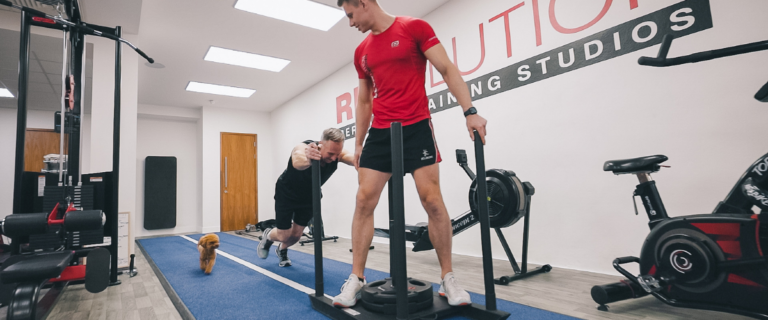

Weight lifting is essential for marathon runners because it reduces injury risk, improves running efficiency, and builds the muscular endurance needed for long-distance performance. Resistance training strengthens the muscles supporting joints and bones, helping prevent common running injuries such as IT band syndrome, runner’s knee, plantar fasciitis, and shin splints. A structured strength and conditioning programme alongside running training leads to better performance and faster recovery.
Key Takeaways
- Weight lifting reduces the likelihood of common running injuries including IT band syndrome, runner’s knee, and shin splints
- Strengthening muscles that support joints and bones improves running form and overall efficiency
- Running alone does not achieve a complete workout — strength training addresses muscular imbalances
- Exercises like squats, lunges, deadlifts, and calf raises directly benefit running performance
- A personal trainer can design a strength programme specifically tailored to a runner’s needs and injury history
Weight lifting is an essential component of any marathon training regimen. Running alone does not achieve a complete workout and excessive running without the proper support form a strength and conditioning programme, adequate rest and good nutrition can lead to injury.
Long distance runners can enhance their endurance, prevent injury, improve their speed and build their muscle mass by incorporating weight lifting into their training routine.
Why weight lifting is important for marathon runners
The main benefit of weight training for long distance runners is a reduced likelihood of injury. However resistance and S&C programmes have also been shown to improve speed and overall endurance of running athletes.
By lifting weights, runners can improve their running form and increase their efficiency, which can lead to better performance and faster times.
How weight lifting helps to prevent injury
Weight lifting can also help to prevent common running injuries. It strengthens the muscles that support the joints and bones, which can reduce the risk of injury. By incorporating exercises that target specific muscle groups, runners can prevent injuries to the knees, ankles, hips, and back.
Your personal trainer can take you through a range of exercises that are beneficial for runners. This is really important as most new runners don’t think about the strength and conditioning element and either run too far or too fast at the start of their training. This often leads to injuries that could be avoided with a proper training programme.
Common running injuries can include:
IT band syndrome (also known as Runners knee)
IT band syndrome is a condition that causes pain on the outside of the knee. It is often caused by a lack of strength and conditioning in the hips, glutes, and quad.
Anterior knee pain (also known as patellofemoral joint pain)
Runner’s knee is a term used to describe several different conditions that cause pain around the kneecap. It is often caused by a lack of strength and conditioning in the hips, glutes, and quads.
Plantar fasciitis
Plantar fasciitis is a condition that causes pain in the heel and the bottom of the foot. It is often caused by overuse or by running too much or too fast too early in a program.
Shin splints (also known as medial tibial stress syndrome – MTSS).
Shin splints is an umbrella term used to describe pain on the inside of your shin bone (tibia). They are often caused by overuse or by running too much or too fast too early in a program.
By incorporating weight lifting into a training program, runners can prevent these common injuries. Weight lifting can help to strengthen the muscles that support the joints and bones, which can reduce the risk of injury. For example, exercises like squats, lunges, and deadlifts can strengthen the glutes and quads, which can help to prevent runner’s knee and IT band syndrome. Exercises like calf (heel) raises can strengthen the calf muscles, which can help to prevent many common running injuries, such as plantar fasciitis and shin splints.
In addition to weight lifting, runners should also incorporate stretching and foam rolling into their training program. These activities can help to improve flexibility and mobility, which can also reduce the risk of injury. By combining strength training, stretching and foam rolling, runners can create a well-rounded training program that prepares them for the physical demands of a marathon.
How to incorporate weight lifting into marathon training
The ideal frequency and timing of weight lifting sessions
It is recommended to weight lift 2-3 times per week, with at least one day of rest in between sessions. It is important to time weight lifting sessions appropriately, such as scheduling them on days when running is not as intense.
For example, don’t schedule your big leg day right before your longest run of the week. Speak to your trainer to plan an appropriate training schedule.
Tips on how to choose the right exercises
Runners should focus on exercises that target specific muscle groups, such as squats, lunges, deadlifts, and calf raises. It is also important to include exercises that improve core strength and balance, such as planks and single-leg exercises.
One of Revolution’s favorites is the squat and row. A great exercise for improving core and knee strength as well as improving overall stability.
Conclusion
Weight lifting is crucial for marathon runners, as it improves endurance, prevents injury, and increases strength and muscle mass. By incorporating weight lifting into their training program, runners can improve their overall performance.
To successfully train for a marathon, runners should focus on both running and weight lifting as well as mobility and proper rest. It is important to schedule weight lifting sessions appropriately, choose the right exercises, and adjust the routine based on the running schedule. With these tips in mind, runners can prevent injuries and improve their performance in a marathon.
To get started with a personal training programme you can book a free taster session with Revolution Personal Training Studios today.
If you are suffering from pain or injury caused by running please get in touch with Complete Physio today.
Frequently Asked Questions
Why do marathon runners need weight training?
Marathon runners need weight training to strengthen the muscles that support their joints and bones during the repetitive impact of long-distance running. Without adequate muscular support, runners are more susceptible to overuse injuries such as IT band syndrome, runner’s knee, plantar fasciitis, and shin splints.
What are the best strength exercises for runners?
Squats, lunges, deadlifts, calf raises, and hip strengthening exercises are among the most beneficial for runners. These exercises target the glutes, quadriceps, hamstrings, and calves — the primary muscles used during running. A qualified personal trainer can tailor exercise selection to address individual weaknesses.
How often should runners lift weights?
Runners typically benefit from 2-3 strength training sessions per week, scheduled on lighter running days or rest days. Sessions should focus on compound movements that build functional strength without causing excessive fatigue that could impair running performance.
Does weight lifting slow down runners?
No, weight lifting does not slow runners down when programmed correctly. Resistance training improves running economy (the energy cost of running at a given pace), increases stride power, and enhances muscular endurance. These adaptations typically result in improved race times.
What is IT band syndrome and how does strength training prevent it?
IT band syndrome causes pain on the outside of the knee and is common in runners. It is often linked to weakness in the hips, glutes, and quadriceps. Strengthening these muscle groups through exercises like squats, lunges, and hip abduction work can reduce the strain on the IT band and prevent this condition.
Can strength training help with shin splints?
Yes, strengthening the calf muscles and the muscles of the lower leg can help prevent shin splints (medial tibial stress syndrome). Calf raises, toe raises, and controlled eccentric exercises build the muscular support needed to absorb the repetitive impact of running.
Should new runners start strength training immediately?
Yes, new runners should incorporate strength training from the start of their programme. Many new runners skip strength and conditioning, leading to injuries caused by running too far or too fast before their muscles and joints are adequately prepared. Starting with basic exercises builds the foundation for safe progression.
Sources & References
- BJSM — Strength Training for Distance Runners — Evidence supporting resistance training as a method to improve running economy and reduce injury rates in endurance athletes.
- NHS — Common Running Injuries and Prevention — Guidance on preventing running injuries including IT band syndrome, runner’s knee, and plantar fasciitis through appropriate training.
- ACSM Position Stand on Exercise for Endurance Athletes — Recommendations on combining resistance training with endurance training for improved performance and injury prevention.
- NICE Guidelines — Musculoskeletal Injury Prevention — Clinical guidelines on strengthening exercises for preventing musculoskeletal injuries in active individuals.