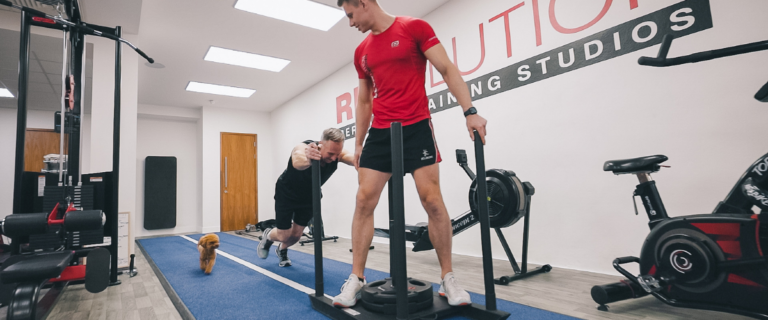

Busy parents can maintain functional fitness with 2-3 short strength training sessions per week of 20-30 minutes each, combined with active family time. Full-body compound exercises like squats, deadlifts, push-ups, and farmer carries build the functional strength needed for lifting children, carrying gear, and playing actively. The WHO recommends 75 minutes of vigorous activity weekly, which can include playing with your kids.
Key Takeaways
- Two to three 20-30 minute strength sessions per week is sufficient to maintain functional fitness for parenting demands
- Full-body compound exercises — squats, deadlifts, push-ups, rows, farmer carries — deliver maximum benefit in minimum time
- Active family time (playing tag, cycling, swimming, playground activities) counts toward weekly physical activity targets
- Schedule exercise as a non-negotiable appointment — early mornings, nap times, or after bedtime are the most reliable windows
- Frame exercise as energy creation, not energy expenditure — regular exercisers report higher energy levels despite the time investment
Parents can maintain the fitness needed to keep up with their kids through 2-3 short strength training sessions weekly (20-30 minutes each), combined with active family time. The goal isn’t six-pack abs—it’s functional fitness that lets you run, climb, and play without exhaustion or injury. Research shows that just 75 minutes of vigorous activity weekly provides significant health and energy benefits.
If chasing your kids around the park leaves you breathless, or you’re turning down activities because you don’t feel up to them physically, this guide offers realistic solutions that fit a parent’s schedule.
Key Takeaways
- Time-efficient training works: Two to three 20-30 minute sessions weekly can maintain fitness
- Strength matters most: Being able to lift, carry, and move confidently with your kids requires strength training
- Active family time counts: Playing with your kids is exercise—it doesn’t all need to happen in a gym
- Consistency beats perfection: Regular short workouts outperform sporadic long ones
Why Is Fitness Important for Parents?
Functional fitness allows you to actively participate in your children’s lives—playing, carrying, running, and keeping up—rather than watching from the sidelines due to exhaustion or physical limitations.
Beyond playing with your kids, parenting is physically demanding:
- Lifting children (20-50+ pounds, repeatedly)
- Carrying car seats, pushchairs, and bags
- Bending, squatting, and getting up from the floor
- Interrupted sleep requiring energy reserves
Parents who maintain basic fitness have more energy, handle sleep deprivation better, and report lower stress levels. The physical demands of parenting are easier when you have a foundation of strength and cardiovascular fitness.
How Much Exercise Do Busy Parents Actually Need?
Two to three strength training sessions of 20-30 minutes weekly, plus some cardiovascular activity (which can include playing with your kids), is sufficient for maintaining functional fitness.
This isn’t about training for a marathon. The minimum effective dose for health and function is:
- Strength training: 2 sessions per week minimum, hitting all major muscle groups
- Cardiovascular: 75 minutes vigorous or 150 minutes moderate activity weekly (walking, cycling, playing actively)
- Flexibility: Basic stretching to maintain mobility
For time-strapped parents, efficiency matters more than duration. A focused 25-minute workout beats a meandering hour.
What’s the Best Exercise for Parents With No Time?
Full-body strength circuits using compound exercises deliver maximum benefit in minimum time—squats, pushes, pulls, and carries that build functional strength for parenting demands.
Efficient exercises for parents:
- Goblet squats: Mimics picking up children, builds leg strength
- Push-ups: Upper body strength for lifting and carrying
- Rows: Back strength for posture and carrying
- Deadlifts: Essential for safely picking things (and people) up
- Farmer carries: Grip strength and core stability for carrying children and gear
A circuit of 4-5 exercises, 3 sets each, can be completed in 20-25 minutes and trains your entire body. No gym required—dumbbells or kettlebells at home work perfectly.
When Can Parents Fit in Exercise?
Early mornings before children wake, during nap times, after bedtime, or during childcare windows are the most common options—find what works for your family’s schedule.
Common approaches:
Early morning (5-6am): Before the household wakes. Requires discipline but creates consistent, protected time. Many parents find this becomes valued quiet time.
Lunch break: If working from home or near a gym. A 30-minute session is achievable.
Nap time: For parents of younger children. Home workouts are essential here—you can’t leave.
After bedtime: Once children are asleep. Works well for evening exercisers, though energy may be lower.
Weekend mornings: Partner takes children while you train, then swap. Fair division of exercise time.
Working with a personal trainer can help design a programme that fits your specific schedule constraints.
Can Playing With Your Kids Count as Exercise?
Active play absolutely counts toward your fitness—playing tag, cycling together, swimming, and playground activities all provide cardiovascular and sometimes strength benefits.
Don’t discount active family time as “not real exercise”:
- Playing tag or chase: Interval training in disguise
- Playground time: Monkey bars, climbing, and helping kids is functional fitness
- Swimming: Excellent full-body cardio
- Cycling with kids: Cardio plus quality time
- Football, basketball, etc.: Genuine exercise while bonding
This doesn’t replace dedicated strength training, but it contributes to your weekly activity and—importantly—models active living for your children.
How Do Parents Stay Motivated to Exercise?
Frame exercise as energy creation rather than energy expenditure, make it non-negotiable like other parenting duties, and find accountability through partners, friends, or trainers.
Reframe your thinking: Exercise isn’t taking time away from your family—it’s investing in the energy and health that lets you be a better parent. You’re not being selfish; you’re maintaining yourself so you can give more.
Schedule it like an appointment: Exercise that’s “when I have time” never happens. Put it in your calendar like any other commitment.
Find accountability: A training partner, group class, or personal trainer creates external commitment. It’s harder to skip when someone’s expecting you.
Lower the bar: Some days, 15 minutes is all you’ve got. That’s fine. Something beats nothing. Don’t let perfect be the enemy of good.
Frequently Asked Questions
What if I’m too tired to exercise after a bad night with the kids?
Reduce intensity rather than skipping entirely. A light 15-minute walk or gentle stretching is better than nothing and often improves energy. However, if you’re genuinely exhausted, rest is more beneficial than forcing a workout. Consistency over weeks matters more than any single day.
Can I work out at home effectively?
Absolutely. Home workouts with minimal equipment (dumbbells, kettlebell, resistance bands) can be highly effective. Many parents find home training more sustainable because it eliminates commute time and childcare logistics.
How do I exercise with a baby or toddler at home?
Naptime workouts are popular. When that’s not possible, some exercises work with a baby present: squats while holding them, pushups next to their play mat. It’s not ideal, but it’s better than waiting for perfect conditions.
Should both parents exercise, or does one stay with the kids?
Ideally, both parents get exercise time—it models healthy habits and prevents resentment. Taking turns or finding activities you can do as a family works best. Some couples exercise together during childcare, others alternate mornings.
How do I get my energy back after having children?
Sleep optimization, nutrition, and regular exercise all contribute. Ironically, exercise creates energy rather than depleting it—regular exercisers report higher energy levels despite the time investment. Start small and build gradually.
Is it okay to involve kids in my workout?
Great idea when it works. Some children enjoy “helping” with exercises or doing kid versions alongside you. It normalises exercise and creates shared activity. Just accept that workouts with children present will be less focused.
Your Next Step
Staying fit as a parent isn’t about finding hours of spare time—it’s about using limited time efficiently. Short, focused workouts combined with active family time can maintain the fitness you need to fully participate in your children’s lives.
If you’d like help designing an efficient programme that works around parenting demands, the trainers at Revolution Personal Training Studios understand busy schedules. We offer a free taster session to discuss your goals and constraints.
Written by: Revolution Personal Training Studios
Last Updated: January 2026
Sources:
- NHS – Physical Activity Guidelines for Adults
- British Journal of Sports Medicine – Minimum Effective Exercise Dose
- American College of Sports Medicine – Time-Efficient Training Strategies
Frequently Asked Questions
How much exercise do parents actually need each week?
The WHO recommends at least 150 minutes of moderate activity or 75 minutes of vigorous activity weekly, plus two strength sessions. For time-strapped parents, two to three focused 20-30 minute strength sessions plus active family time can meet these guidelines.
Can playing with my kids count as exercise?
Yes. Playing tag provides interval training, playground activities build functional fitness, swimming is full-body cardio, and cycling with children counts toward weekly activity targets. Active play does not replace dedicated strength training but contributes meaningfully to overall fitness.
What are the best exercises for parents with no time?
Full-body compound movements: goblet squats (mimics lifting children), push-ups, rows, deadlifts, and farmer carries. A circuit of 4-5 exercises for 3 sets can be completed in 20-25 minutes and trains the entire body.
Can I get an effective workout at home?
Yes. Home workouts with minimal equipment — dumbbells, a kettlebell, or resistance bands — can be highly effective. Many parents find home training more sustainable because it eliminates travel time and childcare logistics.
What should I do when I am too tired to exercise?
Reduce intensity rather than skip entirely. A light 15-minute walk or gentle stretching is better than nothing and often improves energy. If genuinely exhausted, rest. Consistency over weeks matters more than any single day.
When is the best time for parents to exercise?
Early mornings before children wake, during nap times, lunch breaks, or after bedtime. The key is choosing a consistent time and treating it as a fixed appointment rather than something to fit in when possible.
Should both parents get exercise time?
Ideally yes. Alternating childcare duties so both parents can train models healthy habits for children and prevents resentment. Some couples exercise together during childcare, others alternate mornings.
Sources & References
- WHO Physical Activity Guidelines (2020) — World Health Organisation recommendations for adults: 150-300 minutes moderate or 75-150 minutes vigorous activity per week, plus muscle-strengthening activities on 2 or more days
- NHS Physical Activity Guidelines for Adults — National Health Service guidance recommending at least 150 minutes moderate intensity activity weekly and strength exercises on at least 2 days per week
- BJSM — Minimum Effective Exercise Dose — British Journal of Sports Medicine research on the minimum effective dose of exercise for health and functional fitness benefits
- ACSM Time-Efficient Training Strategies — American College of Sports Medicine position on compound movement circuits and time-efficient resistance training for general fitness