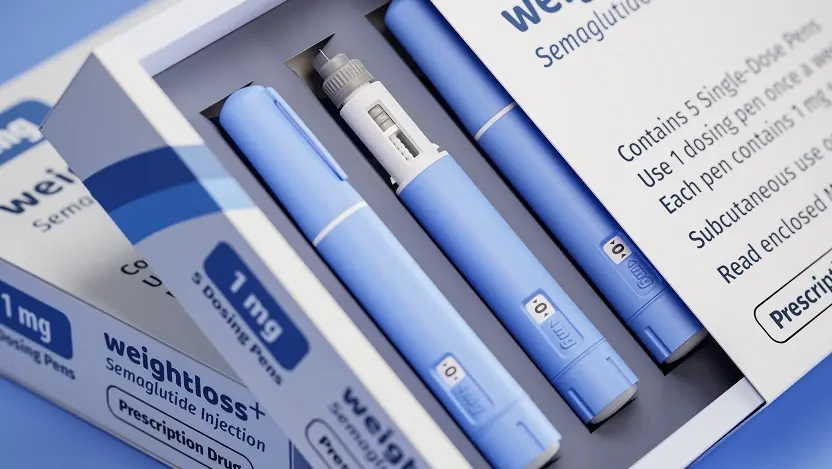
GLP-1 medications like Ozempic, Mounjaro, and Wegovy are effective for appetite suppression and weight loss, but a significant portion of the weight lost can come from lean muscle mass. Pairing GLP-1 use with structured resistance training is essential to preserve muscle, protect metabolic rate, and ensure long-term weight maintenance after discontinuing medication.
Key Takeaways
- GLP-1 receptor agonists suppress appetite and help users lose weight, but they do not distinguish between fat and muscle loss
- Lean muscle mass plays a critical role in metabolic rate, blood sugar regulation, joint support, and long-term weight maintenance
- Structured resistance training can preserve and even build muscle during GLP-1-assisted weight loss
- Adequate protein intake (1.6 to 2.2 grams per kilogram of bodyweight) is especially important for those on appetite-suppressing medication
- Working with a qualified personal trainer ensures the training programme adapts as your body changes during treatment
Ozempic. Mounjaro. Wegovy. In just a few months, these GLP-1 medications have gone from fringe to frontline in the fight against obesity. And whether you’re in the fitness industry or just following headlines, you’ve probably heard their names more than once.
At Revolution Personal Training Studios, we went from not knowing a single client on a GLP-1 to working with over a dozen—practically overnight. The shift was fast, and it’s only accelerating. These drugs work. By suppressing appetite and helping people feel full faster, they allow users to change eating habits that may have felt impossible to break before.
- GLP-1 medications like Ozempic and Mounjaro are revolutionising weight loss by effectively suppressing appetite.
- These medications lead to rapid fat loss—but also a significant loss of lean muscle mass.
- Preserving muscle through strength training is essential for long-term metabolic health and sustainable weight maintenance.
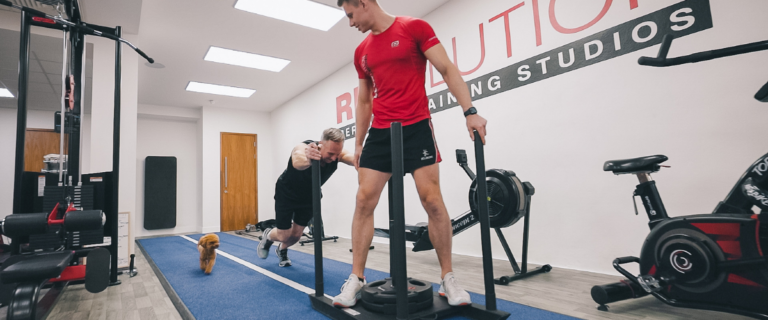
- Revolution PTS offers tailored strength programmes to support clients on GLP-1 medication for better outcomes.
For many, GLP-1s are a game-changer. Years of frustrating yo-yo dieting suddenly give way to steady, meaningful progress. Clients report not only weight loss but a sense of finally being “in control” around food.
But there’s a catch. And it’s a big one.
The Muscle Loss No One Talks About
While GLP-1 medications reliably help users shed weight, they don’t discriminate between fat and muscle. In fact, studies show that a significant percentage of the weight lost on these drugs comes from lean muscle mass.
That matters more than most people realise.
Muscle isn’t just for looking good in a t-shirt. It plays a central role in:
- Keeping your metabolism humming
- Supporting your joints and bones
- Regulating blood sugar
- Preventing injury
- Maintaining weight loss after you stop medication
Lose too much muscle, and you slow your metabolic rate. That makes it easier to regain weight later—and harder to build strength and energy back.
Learn more about the importance of muscle preservation during weight loss.
Why Strength Training Is Now Non-Negotiable
The smartest GLP-1 strategies pair medication with structured strength training. Why?
Because lifting weights can help you:
- Preserve (and even build) lean muscle mass during weight loss
- Maintain a higher resting metabolic rate
- Improve your body composition
- Boost strength, stability, and energy
- Protect your long-term results when you eventually come off the medication
Put simply: GLP-1s shrink the number on the scale. Strength training ensures that number means fat loss—not just overall weight loss.
“We’re seeing more clients than ever using these medications—and our role is making sure they lose the right kind of weight,” says Rob Grim, CEO of Revolution PTS. “That means prioritising strength, preserving muscle, and building a body that’s functional, strong, and sustainable.”
How We Help at Revolution PTS
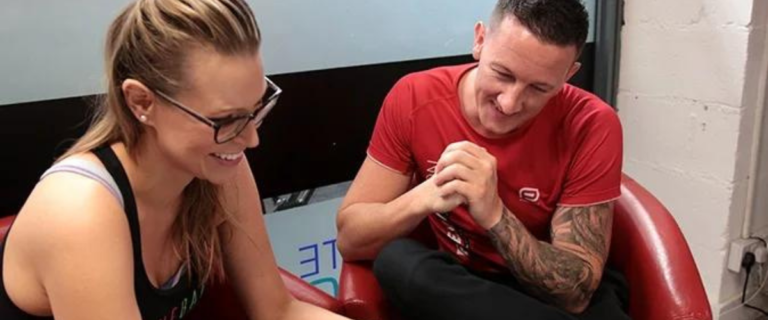
We’ve already helped dozens of clients on GLP-1s navigate their transformation the right way. That starts with education—and continues with a training plan that adapts to your needs as your body changes.
Here’s what our approach includes:
- A free, no-pressure taster session to discuss your goals and background
- Personalised 12-week transformation plans designed to maintain lean mass during fat loss
- Expert guidance to help you avoid overtraining, injury or metabolic slowdown
- Real-world support for busy lives, changing bodies, and evolving goals
Explore our client testimonials to see real stories of success from people just like you.
You don’t have to guess what’s best for your body. You just have to show up—and let our expert team guide the way.
Final Thought: Don’t Trade One Problem for Another
GLP-1 medications are powerful tools. But like all tools, they work best with the right strategy behind them.
If you’re on Ozempic, Mounjaro, or any other GLP-1 drug, don’t neglect the muscle that protects your metabolism, supports your health, and keeps you strong long after the injections stop.
Let’s train smart. Let’s build strength. And let’s make sure your transformation lasts.
Book your free taster session today and learn how we’re helping clients on GLP-1s get results that stick.
Explore Strength Training Options | See More Expert Tips on the Blog | Nutritional Guidance at Revolution PTS
Understanding Lean Mass Loss During GLP-1 Treatment
When the body loses weight through calorie restriction alone — whether from medication-assisted appetite suppression or traditional dieting — it draws energy from both fat stores and muscle tissue. Data from the STEP clinical trials published in the New England Journal of Medicine showed that approximately 25 to 40 percent of total weight lost on semaglutide came from lean mass rather than fat.
This matters because lean muscle tissue is metabolically expensive to maintain. Each kilogram of muscle burns roughly 13 calories per day at rest, compared to approximately 4.5 calories per kilogram of fat. While these numbers may seem small individually, the cumulative effect of losing several kilograms of muscle can meaningfully reduce resting metabolic rate, making long-term weight maintenance harder once medication is discontinued.
How to Structure Training Alongside GLP-1 Medication
The goal of training during GLP-1 treatment is primarily muscle preservation rather than maximal hypertrophy. A well-designed programme should include compound resistance exercises (such as squats, deadlifts, rows, and presses) performed three to four times per week, with progressive overload applied gradually as strength improves.
The ACSM recommends two to four sets of eight to twelve repetitions per exercise for muscle maintenance during weight loss. Training intensity should remain moderate to high — the mechanical tension on muscle fibres is what signals the body to retain lean tissue even in a calorie deficit. Cardiovascular exercise can complement this but should not replace resistance training as the primary modality.
Nutritional Priorities for GLP-1 Users Who Train
Appetite suppression is the mechanism that makes GLP-1 medications effective, but it also creates a nutritional challenge. When hunger is reduced, many users eat less overall — including less protein. The British Journal of Sports Medicine recommends 1.6 to 2.2 grams of protein per kilogram of bodyweight daily for people doing resistance training, and meeting this target requires deliberate meal planning.
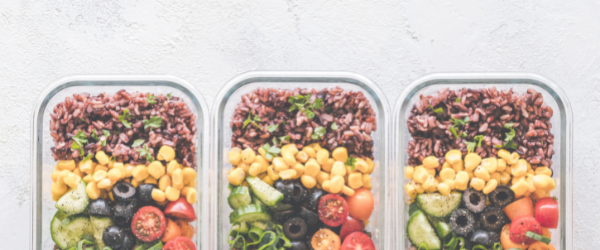
Practical strategies include distributing protein across four to five smaller meals throughout the day, prioritising protein-rich foods at every meal, and using liquid sources (such as protein shakes) when solid food feels unappealing. Adequate hydration and micronutrient intake also warrant attention, as reduced overall food volume can lead to deficiencies if not managed proactively.
Frequently Asked Questions
What is a GLP-1 medication?
GLP-1 (glucagon-like peptide-1) receptor agonists are medications originally developed for type 2 diabetes management. They mimic a natural gut hormone that regulates appetite and blood sugar. When prescribed for weight management, they help reduce hunger and calorie intake, leading to significant weight loss. Common examples include semaglutide (Ozempic, Wegovy) and tirzepatide (Mounjaro).
How much muscle do you lose on GLP-1 medications?
Research published in the New England Journal of Medicine found that approximately 25 to 40 percent of total weight lost on semaglutide can come from lean mass rather than fat. The exact proportion varies depending on protein intake, physical activity levels, and individual factors. Resistance training is the most effective intervention to reduce this muscle loss.
Can you build muscle while taking Ozempic or Mounjaro?
Yes, but it requires deliberate effort. The appetite-suppressing effect of GLP-1 medications can make it harder to eat enough protein and calories to support muscle growth. A structured resistance training programme combined with intentional protein intake of 1.6 to 2.2 grams per kilogram of bodyweight daily gives the body the best chance to maintain or build lean mass during weight loss.
Why does muscle loss matter during weight loss?
Muscle tissue is metabolically active — it burns calories even at rest. Losing muscle reduces your resting metabolic rate, which makes it easier to regain weight once you stop dieting or discontinue medication. Muscle also supports joint health, bone density, blood sugar regulation, and functional strength for everyday activities.
Should I do cardio or weights while on GLP-1 medication?
Resistance training should be the priority. While cardiovascular exercise provides heart and lung health benefits, it does not provide the mechanical stimulus needed to preserve muscle mass during calorie restriction. A programme combining resistance training three to four times per week with moderate cardio is ideal.
How much protein should I eat while on GLP-1 medication?
The British Journal of Sports Medicine recommends 1.6 to 2.2 grams of protein per kilogram of bodyweight daily for individuals engaged in resistance training. This recommendation becomes even more important during GLP-1 treatment, where appetite suppression can make it difficult to consume adequate calories and protein without conscious planning.
What happens when you stop taking GLP-1 medication?
Research indicates that many people regain a significant portion of lost weight within one to two years of stopping GLP-1 medication. However, those who have maintained muscle mass through resistance training during treatment are better positioned to sustain their results, because their higher metabolic rate and established exercise habits provide a stronger foundation for weight maintenance.
Is it safe to exercise while on GLP-1 medication?
Yes. Exercise is not only safe but strongly recommended for people taking GLP-1 medications. The main considerations are staying hydrated, managing reduced appetite to ensure adequate fuelling before workouts, and working with a qualified trainer who can adjust intensity as your body composition changes. Always consult your prescribing doctor before starting a new exercise programme.
Sources & References
- New England Journal of Medicine — Semaglutide and Body Composition (2021) — Landmark STEP trials demonstrating the efficacy of semaglutide for weight loss, including data on the proportion of lean mass versus fat mass lost during treatment.
- British Journal of Sports Medicine — Protein Intake for Resistance Training — Systematic review and meta-analysis recommending 1.6 to 2.2 grams of protein per kilogram of bodyweight daily for individuals performing resistance training.
- NICE — Obesity: Identification, Assessment and Management (CG189) — Clinical guideline covering pharmacological and non-pharmacological approaches to weight management, including the role of physical activity.
- ACSM — Resistance Training for Preservation of Lean Mass — Position stand recommending structured resistance training to preserve muscle mass during periods of calorie restriction or weight loss.