Before starting a weight loss challenge, the most important steps are planning your meals and workouts in advance, stocking up on nutritious foods, taking baseline measurements, setting a clear goal with a meaningful ‘why’ behind it, and committing to consistency. Research consistently shows that preparation and goal clarity are the strongest predictors of successful weight loss outcomes.
Key Takeaways
- Plan meals, snacks, and workout times into your weekly schedule before starting
- Stock your kitchen with lean protein, healthy fats, complex carbohydrates, and vegetables
- Take baseline photos, weight, and body measurements to track progress objectively
- Define a specific goal and understand your personal ‘why’ — this sustains motivation when discipline is needed
- Consistency with both nutrition and training is more important than perfection on any single day
- Plan plan plan. Try to plan your meals/snacks and when you will work out in your weekly schedule. Managing your time having a plan to stick to is fundamental during weight loss.
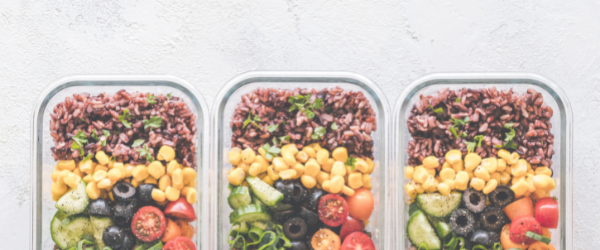
- Organise a food shop. Make sure you organise a food shop full of delicious, nutritious foods that you enjoy eating. Prepare balanced meals that contain protein such as lean chicken, eggs or fish, good fats such as avocados, olives or nuts and some balanced carbohydrates such as grains. Don’t forget your veggies too!
- Measure your progress. Make sure you take a picture and know your weight and measurements before you start. Having regular check ins and progress reports will help you stay on track and let you know if you need to change anything up if your weight stagnates or fluctuates.
- Have a goal. Know what you want to achieve and equally importantly, why you want to achieve it over the 30 days. Understanding why losing weight, changing your shape and improving your health is important will help you take the right actions when you need to.
- Be consistent. Stick to the plan you have made and be consistent with your workouts and your healthy meals. It’s so easy to revert back to less than ideal food choices or skip workouts. This is where disciple and knowing the why behind your goal comes into play.
Have a think about your goals this coming weekend and take time out to organise and plan so you’re ready to hit the ground running.
Any questions? Let us know if we can help you.
Rebecca Maslin
Why Preparation Matters More Than Motivation
Most weight loss attempts fail not because of a lack of willpower, but because of insufficient preparation. A meta-analysis published in the British Journal of Health Psychology found that individuals who created specific “implementation intentions” — detailed plans for when, where, and how they would exercise and eat — were significantly more likely to follow through than those who relied on general motivation alone.
This is why planning your meals and scheduling your workouts before starting a challenge is so critical. When decisions are made in advance, you remove the daily mental effort of choosing what to eat or whether to train. This concept, known as “decision fatigue,” is well-documented in behavioural psychology and explains why even motivated people can fall off track without a concrete plan.
How to Set Effective Weight Loss Goals
The NHS recommends setting SMART goals for weight loss: Specific, Measurable, Achievable, Relevant, and Time-bound. Rather than “I want to lose weight,” an effective goal might be “I want to lose 6 kg in 12 weeks by training 3 times per week and following a structured meal plan.”
Equally important is understanding your personal motivation — your “why.” Research from the American Psychological Association shows that intrinsic motivations (health, energy, confidence) produce more sustainable behaviour change than extrinsic motivations (looking good for an event). Both can be effective, but connecting your goal to a deeper personal reason helps you push through the inevitable difficult moments.
Tracking progress through regular measurements is also essential. The ACSM recommends using multiple metrics rather than relying solely on scale weight, because body composition changes (losing fat while gaining muscle) may not always show on the scales. Useful measures include:
- Body weight: Weigh at the same time of day, under the same conditions, and look at weekly averages rather than daily fluctuations
- Body measurements: Waist, hips, chest, and limb circumferences track changes in body shape
- Progress photos: Visual comparison is often the most motivating form of progress tracking
- Performance markers: Improvements in strength, endurance, or flexibility show fitness progress even when the scale does not move
Building a Nutrition Plan That Supports Your Challenge
Nutrition is the foundation of any successful weight loss challenge. The British Dietetic Association recommends building meals around three core components:
- Protein (lean chicken, fish, eggs, legumes): Supports muscle preservation during a calorie deficit and increases satiety, helping you feel full for longer
- Complex carbohydrates (whole grains, sweet potatoes, oats): Provide sustained energy for training and daily activities without blood sugar spikes
- Healthy fats (avocado, nuts, olive oil): Essential for hormone function and nutrient absorption — cutting fat too low can actually hinder weight loss
The NHS advises against eliminating entire food groups, as restrictive diets are difficult to sustain long-term. Instead, focus on portion control and consistent meal timing to regulate appetite and energy levels throughout the day.
Frequently Asked Questions
How much weight can I expect to lose in a 30-day challenge?
The NHS recommends a safe rate of 0.5–1 kg (1–2 lbs) per week, which equates to 2–4 kg over 30 days. Individual results vary based on starting weight, calorie deficit, exercise intensity, and adherence to the plan. Those with more weight to lose may see faster initial results.
Should I weigh myself every day during a weight loss challenge?
Daily weigh-ins can be useful if you look at weekly averages rather than daily numbers, as weight fluctuates naturally by 1–2 kg due to water retention, food intake, and hormonal cycles. The ACSM recommends combining scale weight with body measurements and progress photos for a more accurate picture of progress.
What should I eat before and after workouts during a weight loss challenge?
The ACSM recommends a small meal containing carbohydrates and protein 1–2 hours before training for energy, and a protein-rich meal or snack within 1–2 hours after training to support muscle recovery. Examples include a banana with peanut butter before training, and chicken with rice or a protein shake after.
Why is meal planning important before starting a weight loss challenge?
Meal planning removes the daily mental effort of choosing what to eat, a concept known as decision fatigue. Research shows that people who create specific plans for when and how they will eat are significantly more likely to follow through than those relying on general motivation alone. Planning your meals in advance and shopping accordingly sets you up for success.
What is the best way to track my progress during a weight loss challenge?
The ACSM recommends using multiple metrics rather than relying solely on scale weight. Useful measures include body weight at the same time each day averaged weekly, body measurements of your waist, hips, and limbs, progress photos, and performance markers such as improvements in strength and endurance.
Why do I need to understand my ‘why’ before starting a weight loss challenge?
Your personal motivation sustains you through difficult moments when discipline is needed. Research from the American Psychological Association shows that intrinsic motivations such as improved health, energy, and confidence produce more sustainable behaviour change than extrinsic motivations like looking good for a single event.
Should I eliminate entire food groups during a weight loss challenge?
No. The NHS and British Dietetic Association advise against eliminating entire food groups, as restrictive diets are difficult to sustain long-term. Instead, focus on building meals around lean protein, complex carbohydrates, and healthy fats in appropriate portions while maintaining a calorie deficit.
Sources & References
- British Journal of Health Psychology — Meta-analysis on implementation intentions and health behaviour change
- NHS Weight Loss and SMART Goal Guidelines — Recommendations for safe weight loss rates and structured goal-setting
- American College of Sports Medicine (ACSM) — Guidelines on body composition tracking and pre/post-workout nutrition
- British Dietetic Association — Recommendations for balanced meal planning and sustainable dietary approaches