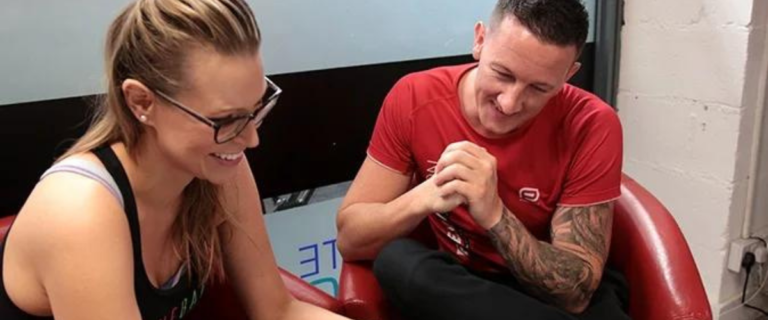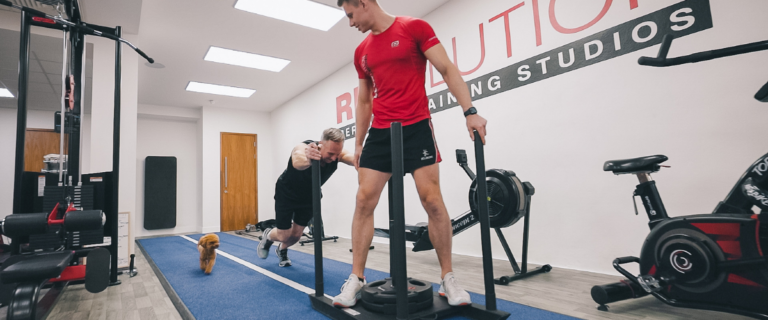
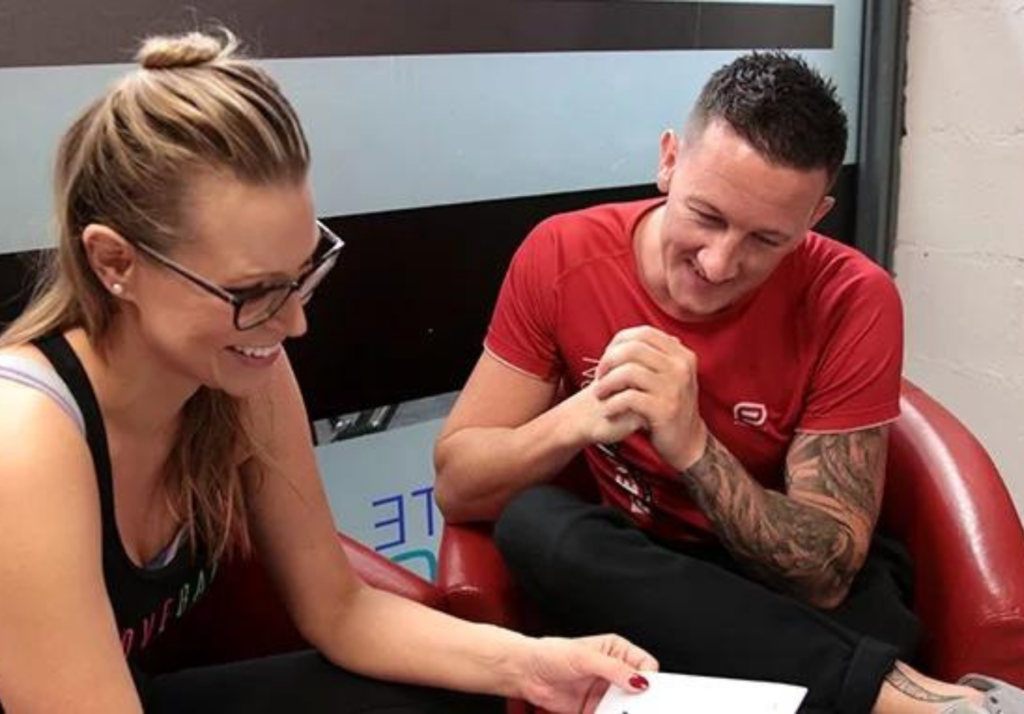
Small group personal training costs 40-60% less than one-to-one sessions while still providing personalised coaching, structured programming, and form corrections in groups of 2-6 people. Research shows comparable strength and body composition results to individual training, with the added benefits of social motivation, built-in accountability, and shared camaraderie that improve long-term adherence.
Key Takeaways
- Small group training costs £20-40 per session in London — 40-60% less than one-to-one personal training
- Groups of 3-4 hit the sweet spot of value and personalised attention, with individual assessments and programme modifications
- Research shows no significant difference in strength or body composition outcomes compared to one-to-one training over 12 weeks
- Built-in accountability from training partners significantly improves session adherence and long-term consistency
- Look for groups of 6 or fewer with qualified trainers (Level 3 minimum) who provide individualised programming
Small group personal training typically costs 40-60% less than 1-to-1 sessions while providing personalised coaching, structured programming, and the motivational benefits of training with others. Groups of 2-6 people allow trainers to provide individual attention and form corrections while creating accountability and camaraderie. For many people, it’s the optimal balance of value and personalisation.
If 1-to-1 personal training feels expensive or isolating, and public gym classes feel impersonal, small group training may be the solution you’re looking for.
Key Takeaways
- Significant cost savings: Expect to pay 40-60% less than 1-to-1 sessions for comparable quality
- Personalised attention: Groups of 2-6 allow individual form corrections and programme modifications
- Built-in accountability: Training partners create social commitment that improves adherence
- Same results: Research shows small group training produces similar outcomes to 1-to-1 for most goals
What Is Small Group Personal Training?
Small group personal training involves 2-6 people training together with a qualified personal trainer, receiving individualised coaching within a group setting.
This isn’t the same as a large fitness class with 20+ participants and generic instruction. True small group training maintains the personalised elements of 1-to-1 coaching:
- Individual assessment and goal-setting
- Programmes tailored to each person’s needs
- Form corrections and technique coaching
- Progress tracking and adjustments
The difference is that you share the trainer’s time (and cost) with a small number of others working toward similar goals.
How Much Does Small Group Personal Training Cost?
Small group personal training typically costs £20-40 per session in London, compared to £50-80 for 1-to-1 sessions—a saving of 40-60%.
Cost comparison:
- 1-to-1 personal training: £50-80 per hour
- Small group (2 people): £35-50 per person
- Small group (3-4 people): £25-40 per person
- Small group (5-6 people): £20-30 per person
The per-person cost decreases as group size increases, but so does individual attention. Groups of 3-4 often hit the sweet spot of value and personalisation.
When comparing costs, consider what’s included. At Revolution Personal Training Studios, small group sessions include personalised programming, progress tracking, and a private studio environment.
What Are the Benefits of Training in a Small Group?
Small group training combines the personalisation of 1-to-1 coaching with the motivation, accountability, and cost benefits of training with others.
Social motivation: Training with others creates natural competition and encouragement. Many people push harder in a group setting than they would alone.
Built-in accountability: When others expect you to show up, you’re less likely to skip sessions. This social commitment significantly improves adherence.
Shared experience: The challenges and victories become shared, creating camaraderie and making training more enjoyable.
Learning from others: Watching others perform exercises and hearing their questions can reinforce your own learning.
For people who find 1-to-1 training too isolating or intense, the group dynamic can make fitness feel more sustainable and enjoyable.
Is Small Group Training as Effective as 1-to-1?
For most fitness goals, research shows small group personal training produces comparable results to 1-to-1 training, with some studies showing better adherence in group settings.
A study in the Journal of Sports Science found no significant difference in strength gains or body composition improvements between small group and individual training over 12 weeks. The key factors for results—progressive overload, consistency, proper nutrition—can be achieved in either setting.
Where 1-to-1 may be preferable:
- Very specific rehabilitation needs
- Highly complex or specialised training
- Strong preference for privacy
- Schedules that don’t align with group times
Where small group may be preferable:
- Budget is a significant factor
- You’re motivated by social training
- You want accountability partners
- You enjoy variety in training partners
What Should You Look for in Small Group Training?
Look for small groups (6 or fewer), qualified trainers, personalised programming, and a training environment that matches your comfort level.
Group size: True small group training means 6 people maximum. Larger groups become fitness classes rather than personal training. Ask about typical group sizes.
Trainer qualifications: The same qualifications matter as with 1-to-1 training. Level 3 Personal Training certification minimum, plus relevant specialisations.
Individualised approach: Good programmes assess each person individually and modify exercises as needed. Avoid programmes that treat everyone identically regardless of ability.
Compatible group members: Training with people at similar fitness levels and with similar goals makes sessions more effective. Ask how groups are formed.
How Are Small Group Sessions Structured?
Effective small group sessions balance group exercises with individual attention, typically including warm-up, main workout with stations or circuits, and cooldown.
A typical session structure:
- Warm-up (5-10 minutes): Group mobility and activation work
- Main workout (30-40 minutes): Strength exercises, often in stations or circuits so the trainer can provide individual attention
- Conditioning (5-10 minutes): Cardiovascular or metabolic work
- Cooldown (5 minutes): Stretching and recovery
Good trainers circulate throughout, providing form corrections and encouragement to each participant. The group dynamic doesn’t mean you’re left on your own.
Frequently Asked Questions
Can beginners do small group training?
Absolutely. Good small group programmes accommodate different fitness levels, with exercise modifications as needed. Beginners often appreciate learning alongside others rather than the intensity of 1-to-1 attention. Let the trainer know your experience level when joining.
How many people are in a small group training session?
Typically 3-6 people. Groups larger than 6 make individual attention difficult. Some “semi-private” training involves just 2-3 people. Ask about typical group sizes before committing.
Can you still get personalised programming in a group?
Yes, in quality small group training. Your trainer should assess you individually, track your progress, and modify exercises based on your needs. If everyone does identical workouts regardless of ability, that’s a class, not personal training.
What if I’m much fitter or less fit than the group?
Good programmes use exercises that can be scaled up or down. Someone might do push-ups on the floor while another does them against a wall—same session, different difficulty. Ask how the programme handles varying fitness levels.
Do you need to join with friends, or can you join alone?
Most small group training is open to individuals joining existing groups. You don’t need to bring your own group. That said, training with friends you recruit can add extra accountability.
How often should you do small group training?
Two to three sessions weekly is typical and effective for most goals. This provides sufficient stimulus for progress while allowing recovery. Some people supplement with independent cardio or home workouts.
Your Next Step
Small group personal training delivers the coaching, accountability, and results of personal training at a more accessible price point. For many people, the group dynamic actually improves results by adding motivation and commitment.
At Revolution Personal Training Studios, our small group sessions maintain a maximum of 4-6 people to ensure personalised attention. We offer a free taster session so you can experience the format and see if it suits you.
Written by: Revolution Personal Training Studios
Last Updated: January 2026
Sources:
- Journal of Sports Science – Group vs Individual Training Outcomes
- UK Active – Group Exercise and Adherence Research
- American College of Sports Medicine – Social Support in Exercise Settings
Frequently Asked Questions
How much does small group personal training cost in London?
Small group personal training typically costs £20-40 per session in London, compared to £50-80 for one-to-one sessions. Groups of 3-4 people often offer the best balance of per-person cost and individual attention from the trainer.
Is small group training suitable for beginners?
Yes. Good small group programmes accommodate different fitness levels with exercise modifications. Beginners often appreciate learning alongside others rather than the intensity of solo one-to-one attention. Inform the trainer of your experience level when joining.
How many people are in a small group training session?
Typically 3-6 people. Groups larger than 6 make individual attention difficult and become closer to a fitness class than personal training. Some semi-private formats involve just 2-3 people.
Do you get personalised programming in small group training?
In quality small group training, yes. Your trainer should assess you individually, track your progress, and modify exercises based on your needs. If everyone does identical workouts regardless of ability, that is a class, not personal training.
Is small group training as effective as one-to-one personal training?
For most fitness goals, research shows comparable results. A study in the Journal of Sports Science found no significant difference in strength gains or body composition between small group and individual training over 12 weeks. Adherence may even be higher in group settings.
What should a small group training session include?
A well-structured session includes a 5-10 minute warm-up, 30-40 minutes of strength work in stations or circuits with individual attention, 5-10 minutes of cardiovascular conditioning, and a 5-minute cooldown with stretching.
Can I join a small group session alone or do I need friends?
Most small group training is open to individuals joining existing groups. You do not need to bring your own group, though training with friends can add extra accountability.
How often should I attend small group training sessions?
Two to three sessions per week is typical and effective for most fitness goals. This provides sufficient training stimulus while allowing adequate recovery between sessions.
Sources & References
- ACSM Position Stand on Resistance Training — American College of Sports Medicine guidelines on resistance training for healthy adults, supporting progressive overload and group training methodologies
- UK Active — Group Exercise and Adherence Research — Industry research showing social support in exercise settings improves long-term adherence and programme completion rates
- WHO Physical Activity Guidelines (2020) — World Health Organisation recommendations of 150-300 minutes moderate or 75-150 minutes vigorous activity per week for adults
- NICE Physical Activity Guidelines (CG43) — National Institute for Health and Care Excellence guidance on physical activity interventions for adults in community settings