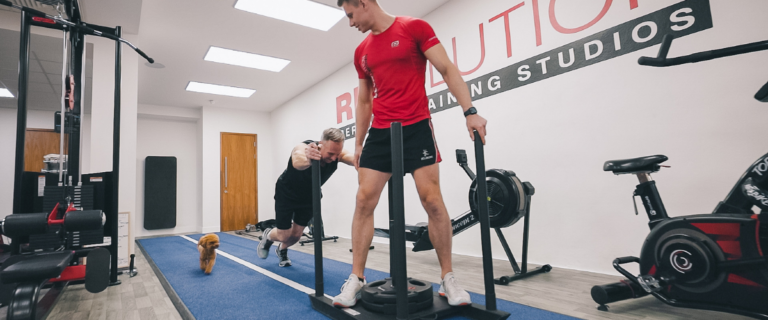
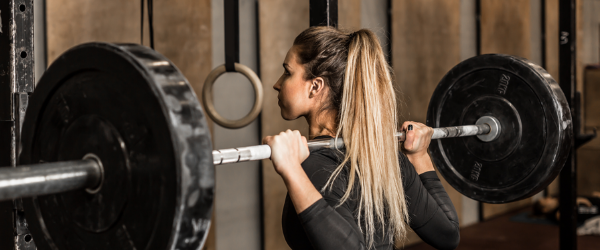
Women over 40 who strength train 2-3 times weekly maintain significantly more muscle mass, bone density, and metabolic health. Starting at any age produces measurable results within 6-8 weeks, including improved energy, better sleep, and visible body composition changes. Resistance training is more effective than cardio for preventing age-related muscle loss after 40.
Key Takeaways
- Women lose 3-8% of muscle mass per decade after 30 — strength training is the only proven way to slow or reverse this
- Women lack the testosterone levels needed for bulking; lifting weights produces a toned, defined appearance
- Start with 2 sessions per week focusing on squat, hinge, push, pull, and carry movement patterns
- Compound exercises (squats, deadlifts, rows, presses, carries) deliver the best functional results
- Expect improved energy within 2-3 weeks, visible muscle tone by week 6-8, and significant changes by 12 weeks
Women over 40 who strength train 2-3 times weekly maintain significantly more muscle mass, bone density, and metabolic health than those who don’t. Starting strength training at any age produces measurable results within 6-8 weeks, including improved energy, better sleep, and visible body composition changes. Research shows resistance training is more effective than cardio for preventing age-related muscle loss.
If you’ve been putting off strength training because you thought it was too late to start, or you’re worried about getting bulky or injured, this guide addresses those concerns with evidence and practical advice.
Key Takeaways
- It’s never too late: Women who start strength training in their 40s, 50s, or beyond see measurable improvements within 6-8 weeks
- Muscle loss accelerates after 40: Without strength training, women lose 3-8% of muscle mass per decade after 30
- You won’t get bulky: Women lack the testosterone levels needed for significant muscle size increases
- Bone health improves: Resistance training is one of the most effective ways to maintain bone density
Why Is Strength Training So Important After 40?
After 40, women lose muscle mass at an accelerating rate of 3-8% per decade, and strength training is the only proven way to slow or reverse this loss.
This muscle loss (called sarcopenia) doesn’t just affect how you look—it impacts your metabolism, bone density, balance, and ability to stay independent as you age. Every pound of muscle you maintain burns more calories at rest, protects your joints, and keeps you strong for daily activities.
The hormonal changes of perimenopause and menopause make strength training even more critical. Declining oestrogen accelerates bone loss and changes where fat is stored. Resistance training directly counteracts both effects, making it genuinely essential rather than optional at this life stage.
Will Strength Training Make Women Bulky?
No. Women lack the testosterone levels required to build large muscles, even with heavy weights and consistent training.
This is one of the most persistent fitness myths. What actually happens when women lift weights is a toned, defined appearance—not bulk. The women who appear very muscular in fitness competitions typically train for hours daily, follow extremely specific diets, and often use supplements or other assistance.
For the average woman training 2-3 times per week, the result is:
- Firmer arms, legs, and midsection
- Better posture
- Clothes fitting more comfortably
- A stronger, more capable body
If anything, many women find they fit into smaller sizes despite the scale not changing much—because muscle is denser than fat.
How Should a Woman Over 40 Start Strength Training?
Begin with 2 sessions per week focusing on basic movement patterns: squat, hinge, push, pull, and carry, using bodyweight or light weights.
The key is starting conservatively and progressing gradually. Recovery takes longer after 40, and jumping in too intensely increases injury risk. A sensible starting approach:
Week 1-2: Learn movement patterns with bodyweight or very light weights. Focus on form.
Week 3-4: Add light resistance. Two sessions per week, full body each time.
Week 5-8: Gradually increase weights as movements feel comfortable. Consider adding a third session.
Working with a personal trainer for even a few sessions can help you learn proper form and build confidence before training independently.
What Are the Best Exercises for Women Over 40?
Compound exercises that work multiple joints and muscle groups deliver the best results: squats, deadlifts, rows, presses, and loaded carries.
These movements train your body the way you actually use it in daily life. They’re also more efficient—working several muscles at once rather than isolating individual muscles.
Essential exercises to include:
- Squats: Builds leg strength, improves mobility, protects knees
- Deadlifts or hip hinges: Strengthens back, glutes, and hamstrings; essential for picking things up safely
- Rows: Improves posture, strengthens back muscles
- Presses: Shoulder and chest strength for pushing movements
- Carries: Core stability and grip strength; mimics carrying groceries or luggage
Machines can be useful too, especially when learning. But free weights and bodyweight exercises generally provide more functional benefits.
How Often Should Women Over 40 Lift Weights?
Two to three strength training sessions per week, with at least one rest day between sessions, is optimal for most women over 40.
Recovery matters more as you age. Training the same muscles every day doesn’t allow adequate repair time and can lead to overuse injuries or diminishing returns.
A typical weekly schedule might look like:
- Monday: Full body strength
- Tuesday: Rest or light activity (walking, yoga)
- Wednesday: Full body strength
- Thursday: Rest or light activity
- Friday: Full body strength (optional third session)
- Weekend: Active recovery
If you’re also dealing with stress, poor sleep, or hormonal symptoms, you may need more recovery time. Listen to your body.
What Results Can You Expect From Strength Training After 40?
Expect improved energy and sleep within 2-3 weeks, visible muscle tone by week 6-8, and significant body composition changes by 12 weeks of consistent training.
Results vary based on starting point, consistency, and nutrition. But here’s what our clients at Revolution PTS typically experience:
- Weeks 1-4: Better energy, improved mood, establishing the habit
- Weeks 5-8: Clothes fitting differently, feeling stronger in daily activities
- Weeks 9-12: Visible muscle definition, measurable strength gains, improved confidence
Beyond aesthetics, you’ll likely notice improved sleep quality, reduced joint discomfort, better balance, and more stable energy throughout the day.
Frequently Asked Questions
Is it too late to start strength training at 50 or 60?
Absolutely not. Research shows significant strength and muscle gains are possible at any age. A landmark study found that adults in their 90s increased muscle strength by 174% with a basic resistance training programme. Starting at 50 or 60 still gives you decades of benefits.
How much weight should a woman over 40 lift?
Start with a weight that allows 10-12 repetitions with good form while feeling challenging by the last few reps. If you can easily do 15+ reps, increase the weight. The goal is progressive overload—gradually increasing demands on your muscles over time.
Should women over 40 do cardio or strength training?
Both have benefits, but if you must choose, prioritise strength training. Muscle preservation and bone density maintenance require resistance training specifically. You can add cardio for heart health, but it shouldn’t replace strength work.
Can strength training help with menopause symptoms?
Yes. Studies show regular strength training reduces hot flush frequency, improves sleep quality, helps manage mood changes, and counteracts the metabolic slowdown associated with menopause. It’s one of the most effective non-medical interventions for menopause symptoms.
How long should a strength training session be?
Quality matters more than duration. An effective full-body session can be completed in 30-45 minutes. If you’re spending over an hour, you may be resting too long between sets or including unnecessary exercises.
Do I need to take supplements for strength training after 40?
Most women benefit from ensuring adequate protein intake (1.6-2g per kg bodyweight) and vitamin D. Beyond that, supplements are generally unnecessary if your diet is reasonably balanced. Prioritise whole foods over supplements.
Your Next Step
Strength training after 40 isn’t just beneficial—it’s one of the best investments you can make in your long-term health, mobility, and quality of life. The earlier you start, the more you’ll benefit, but it’s genuinely never too late.
If you’d like guidance getting started safely and effectively, our trainers at Revolution Personal Training Studios specialise in working with women over 40. We offer a free taster session where you can experience our approach and discuss your goals.
Written by: Revolution Personal Training Studios
Last Updated: January 2026
Sources:
- Journal of Strength and Conditioning Research – Age-Related Muscle Loss in Women
- NHS – Physical Activity Guidelines for Adults
- American College of Sports Medicine – Resistance Training for Older Adults
- Menopause Journal – Exercise and Symptom Management
Frequently Asked Questions
Is it too late to start strength training at 50 or 60?
No. Research shows significant strength and muscle gains are possible at any age. Adults in their 90s have increased muscle strength by 174% with basic resistance training. Starting at 50 or 60 still provides decades of benefits.
How much weight should a woman over 40 lift?
Start with a weight that allows 10-12 repetitions with good form while feeling challenging by the last few reps. If you can easily do 15+ reps, increase the weight. The goal is progressive overload — gradually increasing demands on your muscles over time.
Should women over 40 prioritise cardio or strength training?
If you must choose one, prioritise strength training. Muscle preservation and bone density maintenance require resistance training specifically. Add cardio for heart health, but it should not replace strength work.
Can strength training help with menopause symptoms?
Yes. Regular strength training reduces hot flush frequency, improves sleep quality, helps manage mood changes, and counteracts the metabolic slowdown associated with menopause.
How long should a strength training session be for women over 40?
An effective full-body session can be completed in 30-45 minutes. Quality matters more than duration. If you are spending over an hour, you may be resting too long between sets or including unnecessary exercises.
Will strength training make women over 40 bulky?
No. Women lack the testosterone levels required to build large muscles, even with heavy weights and consistent training. The typical result is firmer arms, legs, midsection, better posture, and clothes fitting more comfortably.
How often should women over 40 lift weights?
Two to three strength training sessions per week with at least one rest day between sessions is optimal. Recovery matters more as you age, and training the same muscles every day can lead to overuse injuries or diminishing returns.
Sources & References
- ACSM Position Stand: Resistance Training for Older Adults — American College of Sports Medicine guidelines on resistance training frequency, intensity, and progression for adults over 40.
- NHS Physical Activity Guidelines for Adults — UK government recommendations for strength and aerobic exercise for adults aged 19-64, including specific guidance on muscle-strengthening activities.
- WHO Guidelines on Physical Activity and Sedentary Behaviour (2020) — World Health Organization recommendations for physical activity across all age groups, including strength training at least twice weekly.
- BJSM: Exercise and Bone Health in Postmenopausal Women — British Journal of Sports Medicine research on resistance training for maintaining bone density during and after menopause.