Start your wedding fitness programme 6-12 months before your wedding date for significant, sustainable results. Most people see noticeable changes within 8-12 weeks of consistent training, with typical results of 10-20 pounds of fat loss and improved muscle tone. Plan to reach your goal weight 6-8 weeks before the wedding to allow for final dress or suit fittings.
Key Takeaways
- The ideal timeline is 6-12 months; a minimum of 12 weeks can produce noticeable results with consistent effort
- Plan final fittings 4-6 weeks before the wedding — reach goal weight before this window
- Strength training combined with moderate cardio produces the best wedding-ready physique
- Aim for a moderate calorie deficit of 300-500 calories daily with high protein (1.6g+ per kg bodyweight)
- Avoid extreme diets — they cause muscle loss, increase cortisol, and often backfire before the wedding
Ideally, start your wedding fitness programme 6-12 months before your wedding date to achieve significant, sustainable results without crash dieting. Most brides and grooms see noticeable changes within 8-12 weeks of consistent training, with typical results including 10-20 pounds of fat loss and improved muscle tone. Starting earlier allows for gradual progress, final dress/suit fittings, and reduced pre-wedding stress.
Planning a wedding is stressful enough without adding unsustainable fitness goals. This guide provides realistic timelines and expectations so you can look and feel your best without the panic.
Key Takeaways
- Ideal timeline: 6-12 months allows for sustainable fat loss of 1-2 pounds per week
- Minimum timeline: 12 weeks can produce noticeable results if you’re consistent
- Dress fitting consideration: Final fittings are typically 4-6 weeks before the wedding—plan body changes around this
- Stress management matters: Overly aggressive dieting increases cortisol and can backfire
How Far Before a Wedding Should You Start Getting in Shape?
Six to twelve months is ideal, though meaningful changes are possible in as little as 12 weeks with focused effort.
The timeline matters because sustainable results require gradual progress. Crash diets and extreme exercise programmes often backfire—you lose water and muscle, feel exhausted, and frequently regain weight quickly.
Here’s what different timelines allow:
- 12 months: Time for significant transformation, habit building, and adjustments along the way
- 6 months: Substantial results with consistent training and nutrition
- 3 months: Noticeable improvements with disciplined effort
- 6 weeks: Limited fat loss, but improved muscle tone and energy
Whatever your timeline, starting now is better than waiting. Even a few weeks of consistent training improves posture, energy, and how you carry yourself.
What Does a 12-Month Wedding Fitness Timeline Look Like?
With 12 months, you can take a gradual, sustainable approach: 6 months of body composition focus followed by 6 months of maintenance and refinement.
Months 12-9 (Foundation Phase):
- Establish consistent exercise habit (3 sessions per week minimum)
- Focus on strength training and building muscle
- Moderate calorie deficit (300-500 calories)
- Expected progress: 8-16 pounds fat loss, improved strength
Months 8-5 (Transformation Phase):
- Increase training intensity and refine nutrition
- Continue building muscle while losing fat
- Expected progress: Additional 8-12 pounds fat loss, visible tone
Months 4-2 (Refinement Phase):
- Maintain current weight—this is when final fittings happen
- Focus on muscle definition and posture
- Reduce diet strictness to avoid pre-wedding stress
Final Month:
- Maintenance only—no major changes
- Light exercise to manage stress
- Prioritise sleep and recovery
What If You Only Have 3 Months Before Your Wedding?
Three months is enough time for noticeable results—typically 10-15 pounds of fat loss and improved muscle tone—with focused, consistent effort.
The approach needs to be more disciplined than a longer timeline, but still sustainable. Avoid the temptation to crash diet.
Weeks 1-4:
- Establish training routine (3-4 sessions weekly)
- Dial in nutrition with moderate deficit (500 calories)
- Focus on compound exercises for efficiency
Weeks 5-8:
- Peak training phase—highest intensity
- Nutrition stays consistent
- Expect visible changes by week 6
Weeks 9-12:
- Maintain results, don’t push harder
- Final fittings typically happen in this phase
- Reduce training volume last 2 weeks to ensure you’re rested
Working with a personal trainer for wedding preparation can maximise results in a shorter timeframe through optimised programming and accountability.
What’s the Best Exercise for Wedding Preparation?
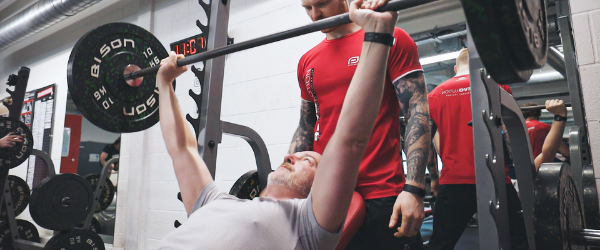
Strength training combined with moderate cardio produces the best wedding-ready physique—toned arms, defined back, improved posture.
For brides specifically, common goals include toned arms (for strapless/sleeveless dresses), a defined back (for low-back dresses), and overall confident posture. For grooms, the focus is often broader shoulders, a leaner midsection, and filling out the suit well.
Essential exercises for wedding prep:
- Rows and pull-downs: Define back muscles for open-back dresses
- Shoulder presses and lateral raises: Create defined shoulders
- Tricep work: Tone the back of arms
- Core stability: Improve posture for photos
- Squats and deadlifts: Build overall muscle and boost metabolism
Cardio has its place for calorie burn and heart health, but strength training creates the toned, defined look most people want for their wedding day.
How Should You Eat When Preparing for Your Wedding?
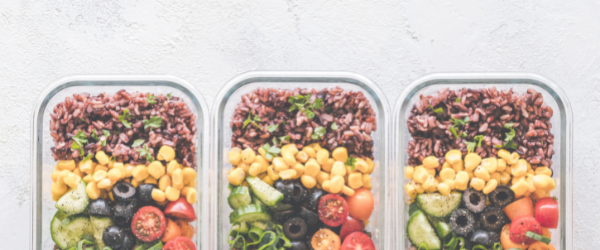
Aim for a moderate calorie deficit of 300-500 calories daily with high protein intake (1.6g+ per kg bodyweight) to lose fat while maintaining muscle.
Extreme diets are counterproductive. They cause muscle loss, increase stress hormones, tank your energy, and often lead to rapid weight regain—sometimes before the wedding itself.
Sustainable wedding nutrition guidelines:
- Protein at every meal: Preserves muscle while you lose fat
- Don’t eliminate food groups: Carbs aren’t the enemy—they fuel your workouts
- Allow occasional treats: You’ll have engagement parties, tastings, and celebrations
- Stay hydrated: Proper hydration improves skin and energy
The last week before the wedding, return to normal eating. Drastic last-minute changes can cause bloating, low energy, or feeling unwell on your big day.
How Do You Time Fitness Goals Around Dress or Suit Fittings?
Plan to reach your goal weight 6-8 weeks before the wedding to allow for final fittings and alterations without stress.
This is where many people make mistakes. They keep trying to lose weight right up until the wedding, but final dress alterations need to happen 4-6 weeks beforehand. If you’re still losing weight during this window, your dress may not fit properly on the day.
Recommended timeline:
- 8 weeks out: Reach target weight
- 6-4 weeks out: Final fittings and alterations
- 4-0 weeks out: Maintenance only—no further weight loss
Communicate with your tailor or dressmaker about your fitness plans. They can advise on how much fluctuation the garment can accommodate.
Frequently Asked Questions
Can you get in shape for a wedding in 6 weeks?
You can improve your fitness and energy in 6 weeks, but significant body composition changes are limited. Expect 4-8 pounds of fat loss maximum with perfect adherence. Focus on improved posture, energy, and feeling confident rather than dramatic transformation.
Should you lose weight before or after buying your wedding dress?
If planning significant weight loss, buy your dress after you’ve lost most of the weight—or buy with alterations in mind. Most dresses can be taken in 1-2 sizes. Taking a dress out is much harder and sometimes impossible.
How do you avoid bloating on your wedding day?
Avoid high-sodium foods, carbonated drinks, and foods you know cause digestive issues in the days before. Stay hydrated with plain water. Don’t try any new foods or supplements in the final week.
Is it bad to work out the day before your wedding?
Light movement (a walk, gentle yoga, stretching) is fine and can help with pre-wedding nerves. Avoid intense training that could leave you sore or fatigued. Your focus the day before should be rest, not fitness gains.
How do you stay motivated during a long wedding fitness programme?
Break the journey into phases with smaller milestones. Take progress photos monthly. Focus on how you feel, not just how you look. Consider working with a personal trainer for accountability and expertise.
Should you exercise on your honeymoon?
Your honeymoon is for enjoyment, not strict routines. Light activity like walking, swimming, or hotel gym sessions can help you feel good without turning it into a training camp. Relax, celebrate, and don’t stress about fitness for a couple of weeks.
Your Next Step
Starting your wedding fitness journey earlier gives you more options, less stress, and better results. But whatever your timeline, consistent effort with realistic expectations will help you look and feel your best on your big day.
At Revolution Personal Training Studios, we’ve helped many clients prepare for their weddings at our London studios. We offer a free taster session where you can discuss your timeline, goals, and create a plan that works for you.
Written by: Revolution Personal Training Studios
Last Updated: January 2026
Sources:
- American Council on Exercise – Safe Rates of Weight Loss
- British Dietetic Association – Sustainable Weight Management Guidelines
- Journal of Strength and Conditioning Research – Resistance Training for Body Composition
Frequently Asked Questions
Can you get in shape for a wedding in 6 weeks?
You can improve fitness and energy in 6 weeks, but significant body composition changes are limited. Expect 4-8 pounds of fat loss maximum. Focus on improved posture, energy, and feeling confident rather than dramatic transformation.
Should you lose weight before or after buying your wedding dress?
If planning significant weight loss, buy your dress after most of the weight is lost, or buy with alterations in mind. Most dresses can be taken in 1-2 sizes. Taking a dress out is much harder and sometimes impossible.
How do you avoid bloating on your wedding day?
Avoid high-sodium foods, carbonated drinks, and foods that cause digestive issues in the days before. Stay hydrated with plain water. Do not try new foods or supplements in the final week.
Is it bad to work out the day before your wedding?
Light movement such as a walk, gentle yoga, or stretching is fine and can help with pre-wedding nerves. Avoid intense training that could leave you sore or fatigued.
What is the best exercise for wedding preparation?
Strength training combined with moderate cardio. For brides: rows and pull-downs for back definition, shoulder presses for defined shoulders, tricep work for toned arms. For grooms: broader shoulders, leaner midsection, and compound lifts.
How should you eat when preparing for a wedding?
Aim for a moderate calorie deficit of 300-500 calories daily with high protein at every meal. Do not eliminate food groups — carbs fuel workouts. Allow occasional treats for engagement parties and tastings. Return to normal eating the last week before the wedding.
How do you time fitness goals around dress fittings?
Reach your target weight 8 weeks before the wedding. Final fittings happen 4-6 weeks before the day. During this window, switch to maintenance only — no further weight loss that could affect the fit.
Sources & References
- NHS Guidelines: Safe Rates of Weight Loss — UK National Health Service guidance recommending 1-2 pounds of weight loss per week as a safe and sustainable rate for long-term results.
- ACSM Guidelines on Resistance Training for Body Composition — American College of Sports Medicine recommendations on combining strength training with moderate caloric restriction for fat loss while preserving muscle.
- NICE Guidelines: Weight Management for Adults — National Institute for Health and Care Excellence guidance on sustainable dietary approaches and exercise for healthy weight management.
- WHO Guidelines on Physical Activity and Sedentary Behaviour (2020) — World Health Organization recommendations for 150-300 minutes of moderate aerobic activity weekly plus muscle-strengthening activities on 2 or more days.