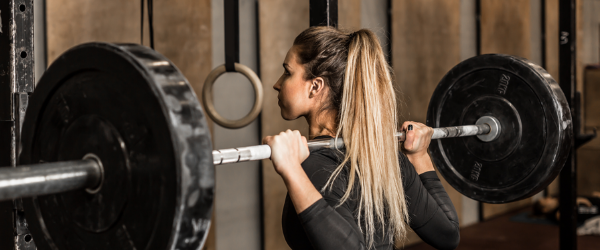
Weightlifting is one of the most beneficial forms of exercise for women, improving bone density, metabolic health, body composition, and mental wellbeing. Women naturally produce far less testosterone than men, making it physiologically very difficult to develop a ‘bulky’ physique. Instead, resistance training builds functional strength, reduces injury risk, and supports long-term health — particularly bone health, which becomes increasingly important with age.
Key Takeaways
- Strength training improves bone density, joint health, metabolic rate, and mental wellbeing in women
- Women produce approximately one-tenth the testosterone of men, making significant muscle bulk extremely unlikely from standard training
- Resistance training is one of the most effective interventions for reducing osteoporosis risk, which disproportionately affects women
- A ‘toned’ appearance is simply visible muscle with lower body fat — achieved through progressive strength training and balanced nutrition
- Beginners benefit from starting with a qualified trainer who can build foundations with proper form from day one
Why weightlifting is important for women
Strength training is one of the most important things to incorporate into your weekly routine. Traditionally the weights areas in gyms have been very male-dominated, which can be intimidating for women to get started with strength training, especially if you’re not sure what you should be doing and don’t have a plan to follow.
A quick scroll through Instagram or visit to your local gym these days however will show you just how much the gender gap is closing as more women are taking up weightlifting and showing that #StrongIsNotASize.
And it’s no surprise – the physical and mental health benefits of weightlifting are plentiful.
The benefits of strength training
On the physical side: strength training translates to increased athletic endurance, fewer injuries and stronger bones and joints. A strong, solid body makes any type of physical activity easier, whether that’s walking, running, cycling, or just lugging your heavy shopping bags home and walking upstairs pain-free.
On the mental health side: ask anyone who lifts and they’ll tell you it’s a game-changer for a bad mood! Strength training brings increased confidence and self-esteem, boosted energy and decreased stress, which is something so needed right now during the pandemic.
It doesn’t matter where you’re starting from, just start.
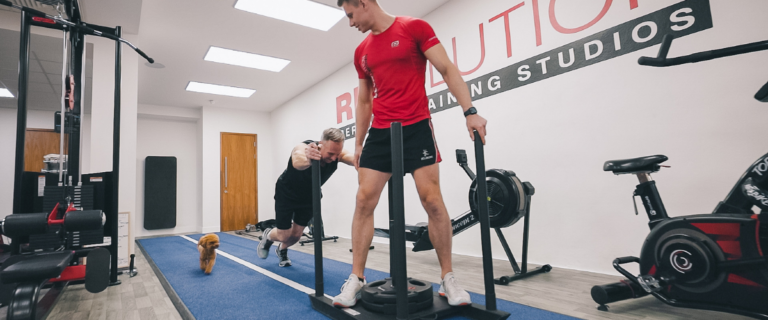
At Revolution, we see lots of women quite nervous that they have to be in a particular shape before they get here which is absolutely not the case.
If you’re a complete beginner, in a way this is almost better for our trainers because you’re a blank slate. We can work with you from the ground up to build solid foundations and good form with no bad habits to retrain.
Whatever level you’re starting from, our trainers are used to working with women of all abilities from beginners to intermediate and advanced lifters. So whether your goal is to pick up the dumbbells for the first time or enter your first powerlifting competition, each plan is tailored to the individual with achievable targets and a progressive programme to help you get there.
Lifting weights won’t make you ‘bulky’
If your goal is to achieve a ‘toned’ physique it’s worth remembering there’s no such thing as a ‘toned’ muscle. You either have muscle, or you don’t. So the ‘toned’ physique that a lot of women are striving to achieve is actually just a more muscular physique, with less body fat.
It’s actually really hard for women to build enough muscle to ‘bulk out’. For a start, women have much less testosterone than men which is a huge factor for muscle growth, and secondly, to get really big and ‘bulky’ you have to put a lot of effort in and eat a LOT, being very strict with the type of foods you eat.
Thirdly, it depends on your body type to how you’ll react to strength training. Everyone is different, but one thing remains the same for all body shapes and sizes: regular weight training will change your body shape and the increased muscle will help you to burn more calories and ultimately more body fat – which can only be a good thing!
It’s a learning process – and learning feels good!
With strength training you learn so much about yourself in lots of ways, not just how to do new lifts safely and progressively, but also how resilient, focused and strong you can really be, both in and out of the gym.
For us as trainers, it’s so rewarding to be able to teach women new things that they’ve never done before. When it comes to weightlifting, every day is a chance to learn something new about yourself, and we love how all of our clients (both women and men) leave the studio feeling empowered and proud of what they’ve achieved, excited about the (achievable) onward journey to their end goal.
Start your weightlifting journey with us
Revolution is a fully inclusive, supportive and non-judgemental space. There’s no need to be nervous about not being fit enough or strong enough before you come to us. It’s our job to help you get to where you want to be and we start from wherever you are at that moment in time.
So if you’d like to get started, sign up now for a free taster session at your local Revolution Personal Training Studio
Weightlifting and Bone Health: Why It Matters for Women
Osteoporosis affects approximately one in three women over the age of 50, according to the NHS. After menopause, declining oestrogen levels accelerate bone density loss, increasing the risk of fractures. Resistance training is one of the most effective interventions available to counteract this process.
When you lift weights, the mechanical stress placed on bones through muscle contractions and impact forces stimulates bone-forming cells called osteoblasts. Over time, this stimulus increases bone mineral density and strengthens the skeletal structure. The WHO (2020) identifies resistance and weight-bearing exercise as key components of osteoporosis prevention. Starting a strength training programme earlier in life builds a greater bone density reserve, but the benefits apply at any age.
The Metabolic Benefits of Strength Training for Women
Muscle tissue is metabolically active — it requires energy to maintain even at rest. By increasing lean muscle mass through resistance training, women effectively raise their resting metabolic rate. This means burning more calories throughout the day, even when not exercising. Over time, this contributes to improved body composition and makes weight management more sustainable than calorie restriction alone.
Resistance training also improves insulin sensitivity, helping the body regulate blood sugar more effectively. The ACSM highlights this as particularly relevant for reducing the risk of type 2 diabetes, which becomes more prevalent with age. For women navigating the metabolic changes that accompany perimenopause and menopause, strength training provides a powerful, evidence-based tool for maintaining health.
Getting Started Safely: What to Expect in Your First Sessions
If you have never lifted weights before, the first few sessions should focus entirely on learning proper movement patterns rather than lifting heavy. A qualified personal trainer will teach you the fundamental compound movements — squat, hinge, push, pull, and carry — using bodyweight or light loads until your form is consistent and confident.
It is completely normal to feel some muscle soreness (known as delayed onset muscle soreness, or DOMS) after your first few sessions. This typically subsides within 48 to 72 hours and reduces significantly as your body adapts to regular training. Starting with two to three sessions per week, with rest days between, gives your body time to recover and adapt without the risk of burnout or overtraining.
Frequently Asked Questions
Will lifting weights make women bulky?
No. Women produce approximately one-tenth the testosterone of men, and testosterone is a primary driver of significant muscle mass gain. Building a very muscular physique requires years of dedicated heavy training combined with very high calorie intake. Standard resistance training two to four times per week produces a leaner, stronger physique — not a bulky one.
How often should women lift weights?
Two to four sessions per week is optimal for most women. The ACSM recommends at least two resistance training sessions per week for general health, with three to four sessions providing better results for body composition and strength goals. Each session should target major muscle groups with compound exercises.
Is weightlifting safe during pregnancy?
For women with uncomplicated pregnancies, moderate resistance training is generally considered safe and beneficial. The Royal College of Obstetricians and Gynaecologists (RCOG) states that women who were physically active before pregnancy can continue exercising with appropriate modifications. Always consult your healthcare provider and work with a qualified trainer experienced in pre- and postnatal exercise.
Does weightlifting help with menopause symptoms?
Yes. Research published in the British Journal of Sports Medicine shows that resistance training can help manage several menopause-related changes, including reduced bone density, loss of lean muscle mass, changes in body composition, and mood fluctuations. Strength training is one of the most effective non-pharmacological interventions for maintaining bone health during and after menopause.
How does weightlifting improve bone density in women?
Resistance training applies mechanical stress to bones through muscle contractions and ground reaction forces. This stress stimulates bone-forming cells (osteoblasts) to increase bone mineral density. The National Osteoporosis Society and WHO both identify resistance training as a key intervention for osteoporosis prevention, which is particularly important for women who face higher risk after menopause.
What exercises should women start with in the gym?
Beginners should focus on compound movements that work multiple muscle groups: squats, deadlifts, bench press, overhead press, and rows. These exercises provide the most benefit per movement and build a strong functional foundation. Starting with lighter weights to master proper form before progressing is essential for long-term results and injury prevention.
Can weightlifting help with weight loss for women?
Yes. Resistance training increases lean muscle mass, which raises resting metabolic rate — meaning you burn more calories even at rest. Combined with a balanced nutrition approach, this makes weightlifting highly effective for sustainable fat loss. Unlike cardio-only approaches, strength training also preserves muscle during weight loss, improving body composition rather than just reducing the number on the scale.
Sources & References
- ACSM — Resistance Training Guidelines for Healthy Adults — Recommends a minimum of two resistance training sessions per week for health benefits, with compound exercises targeting major muscle groups.
- NHS — Osteoporosis Prevention and Physical Activity — Identifies resistance and weight-bearing exercise as key interventions for building and maintaining bone density, particularly important for women.
- WHO — Physical Activity and Sedentary Behaviour Guidelines (2020) — Recommends adults perform muscle-strengthening activities involving all major muscle groups on two or more days per week.
- British Journal of Sports Medicine — Exercise and Menopause — Evidence linking resistance training to improved management of menopause-related symptoms including bone density loss, body composition changes, and mood.
- Royal College of Obstetricians and Gynaecologists — Exercise in Pregnancy — Guidance confirming that moderate exercise, including resistance training with appropriate modifications, is safe and beneficial during uncomplicated pregnancies.