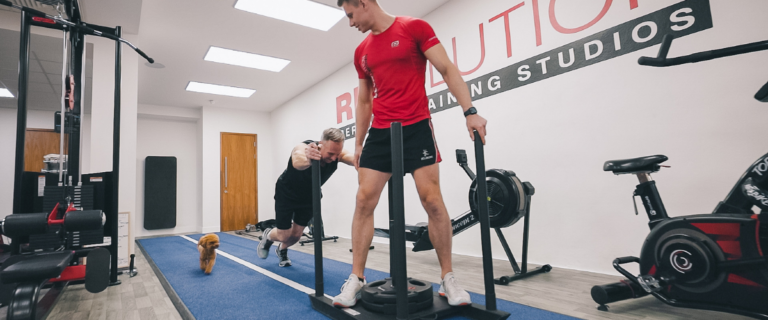

Not everyone needs a personal trainer, but working with one can increase success rates and reduce injury risk. Personal training is most valuable for beginners learning proper form, people with specific goals or timelines, those who have struggled with consistency, and anyone returning from injury. Experienced, self-motivated exercisers with good form and no injuries may achieve their goals independently.
Key Takeaways
- Beginners benefit most from personal training — learning proper form early prevents injuries and bad habits that compound over time
- Accountability from scheduled sessions dramatically improves adherence for people who struggle with consistency
- Personal training in London costs £40-100 per session, with most qualified trainers charging £50-70 per hour
- Most clients see measurable improvements within 6-8 weeks of consistent training at 2-3 sessions per week
- Experienced, self-motivated exercisers with good form and general fitness goals can often succeed without a trainer
You don’t need a personal trainer to get fit, but working with one increases success rates by approximately 60-70% and significantly reduces injury risk. Personal training is most valuable for beginners learning proper form, people with specific goals or timelines, those who’ve struggled with consistency, and anyone returning from injury. If you’re experienced, self-motivated, and injury-free, you may achieve your goals independently.
This isn’t a sales pitch—it’s an honest assessment of when personal training provides genuine value and when you might be fine without it.
Key Takeaways
- Not everyone needs a trainer: Experienced, self-motivated exercisers often succeed independently
- Beginners benefit most: Learning proper form and building habits early prevents problems later
- Accountability is powerful: The commitment of scheduled sessions dramatically improves adherence
- Value depends on goals: Specific timelines or complex goals benefit more from professional guidance
What Does a Personal Trainer Actually Do?
Personal trainers design individualised exercise programmes, teach proper technique, provide accountability, and adjust training based on your progress and feedback.
A good trainer provides:
- Assessment: Understanding your starting point, limitations, and goals
- Programme design: Creating a structured plan that progresses appropriately
- Instruction: Teaching exercises with proper form to maximise results and prevent injury
- Accountability: Scheduled sessions you’re committed to attend
- Motivation: Pushing you appropriately and adjusting when needed
- Adaptation: Modifying the programme based on your response
The value isn’t just the exercises themselves—it’s the expertise, structure, and commitment that come with professional guidance.
Who Benefits Most From Personal Training?
Beginners, people with specific goals or timelines, those who’ve struggled with consistency, and anyone with injuries or health conditions benefit most from working with a trainer.
Beginners: Learning proper form from the start prevents injuries and bad habits. The investment in early guidance pays dividends for years.
People with deadlines: Wedding, holiday, event—when you have a specific timeline, professional programming maximises results in available time.
Consistency strugglers: If you’ve bought gym memberships that went unused, the accountability of scheduled sessions with another person is transformative.
Those with limitations: Injuries, health conditions, or physical restrictions require modified approaches that trainers are qualified to provide.
Plateau breakers: If progress has stalled despite consistent effort, a trainer can identify what’s missing and adjust your approach.
Who Can Probably Succeed Without a Personal Trainer?
Experienced exercisers with good form, high self-motivation, no significant injuries, and general fitness goals can often achieve results independently.
You may not need a trainer if:
- You have solid exercise experience and know proper form
- You’re self-motivated and consistent without external accountability
- Your goals are general fitness rather than specific outcomes
- You have no injuries or conditions requiring modification
- You enjoy learning and can research reliable information
Many people fall somewhere in between. Perhaps you need a trainer initially to learn, then can continue independently. Or you check in periodically rather than training weekly.
What Results Can You Expect From Personal Training?
Most people working with a personal trainer see measurable improvements within 6-8 weeks, including strength gains, improved body composition, and better energy levels.
Typical timeline with consistent training (2-3 sessions weekly):
- Weeks 1-4: Learning movements, establishing habits, improved energy
- Weeks 5-8: Visible changes in muscle tone, measurable strength gains
- Weeks 9-12: Significant body composition changes, noticeable transformation
Results depend on effort, nutrition, and consistency—a trainer can’t do the work for you. But research shows clients working with trainers lose more weight, gain more strength, and maintain results longer than those training alone.
How Much Does Personal Training Cost?
Personal training in London costs £40-100 per session, with most qualified trainers charging £50-70 per hour. Packages and small group options can reduce per-session costs.
Cost breakdown:
- Budget trainers: £30-45 per session
- Mid-range trainers: £50-70 per session
- Premium/specialist trainers: £75-100+ per session
- Small group training: £20-40 per person
Consider total cost versus value. Two sessions weekly at £60 each is £480 monthly—significant, but potentially worthwhile if it achieves goals you’ve failed to reach independently.
How Do You Find a Good Personal Trainer?
Look for relevant qualifications (Level 3 minimum in UK), experience with your specific goals, communication style that suits you, and verifiable results with similar clients.
Essential criteria:
- Qualifications: Level 3 Personal Training certification minimum. Additional specialisations if you have specific needs (pre/postnatal, rehabilitation, etc.)
- Experience: Has worked with people like you, with goals like yours
- References: Can provide testimonials or connect you with past clients
- Communication: Explains things clearly, listens to your concerns, adapts to your preferences
Many trainers offer a free consultation or taster session. Use this to assess fit before committing.
Frequently Asked Questions
Can I get fit without ever using a personal trainer?
Absolutely. Many people achieve excellent fitness independently through self-education, consistent effort, and learning from quality resources. A trainer accelerates the process and reduces mistakes, but isn’t strictly necessary.
How many times per week should you see a personal trainer?
Two sessions weekly is most common and effective for general fitness goals. One session weekly can work if you train independently on other days. Three sessions suits those wanting faster progress or preferring all training to be supervised.
Is personal training worth it for weight loss?
Yes, with caveats. Trainers excel at exercise programming and accountability, but weight loss also requires nutrition changes. The best trainers address both, but you need to implement nutritional changes yourself. Exercise alone rarely produces dramatic weight loss.
How long should you work with a personal trainer?
Long enough to learn proper form, establish habits, and achieve your initial goals—typically 3-6 months minimum. Some people continue indefinitely for accountability; others transition to independent training and return periodically.
What’s the difference between a cheap and expensive personal trainer?
Price doesn’t always indicate quality. Expensive trainers may have premium locations or celebrity clients; cheaper trainers may be newer but equally knowledgeable. Focus on qualifications, experience, and results rather than price alone.
Can online personal training be effective?
For experienced exercisers who know proper form, online coaching can be cost-effective. For beginners or those needing hands-on correction, in-person training is significantly better. The accountability of scheduled in-person sessions also exceeds online options for most people.
Your Next Step
Personal training isn’t for everyone, but for many people—especially beginners, those with specific goals, or anyone who’s struggled with consistency—the investment produces genuine returns in results and knowledge.
If you’re unsure whether personal training would benefit you, a free taster session can help you decide. At Revolution Personal Training Studios, there’s no obligation—just an opportunity to experience professional training and discuss whether it’s right for your goals.
Written by: Revolution Personal Training Studios
Last Updated: January 2026
Sources:
- Journal of Sports Science and Medicine – Personal Training and Exercise Adherence
- Register of Exercise Professionals – UK Qualification Standards
- UK Active – Personal Training Industry Research
Frequently Asked Questions
Can I get fit without a personal trainer?
Yes. Many people achieve excellent fitness independently through self-education, consistent effort, and learning from quality resources. A trainer accelerates the process and reduces mistakes, but is not strictly necessary for everyone.
How many times per week should you see a personal trainer?
Two sessions weekly is most common and effective for general fitness goals. One session per week can work if you train independently on other days. Three sessions suits those wanting faster progress or preferring fully supervised training.
How long should you work with a personal trainer?
Long enough to learn proper form, establish habits, and achieve your initial goals — typically 3-6 months minimum. Some people continue indefinitely for accountability; others transition to independent training and return periodically.
Is personal training worth it for weight loss?
Trainers excel at exercise programming and accountability, but weight loss also requires nutrition changes. The best trainers address both. Exercise alone rarely produces dramatic weight loss without dietary adjustments.
What qualifications should a personal trainer have?
In the UK, look for Level 3 Personal Training certification as a minimum from a recognised provider registered with CIMSPA. Additional specialisations matter if you have specific needs such as pre/postnatal, rehabilitation, or sports performance.
How much does personal training cost in London?
London personal training ranges from £40-100 per session. Budget trainers charge £30-45, mid-range trainers £50-70, and premium or specialist trainers £75-100 or more. Small group options at £20-40 per person reduce per-session costs.
Can online personal training be effective?
For experienced exercisers who know proper form, online coaching can be cost-effective. For beginners or those needing hands-on correction, in-person training is significantly more effective. The accountability of scheduled in-person sessions also tends to be stronger.
Sources & References
- NICE Physical Activity Guidelines — National Institute for Health and Care Excellence guidance on physical activity interventions, including the role of professional instruction for sedentary adults
- ACSM Guidelines for Exercise Testing and Prescription — American College of Sports Medicine standards for safe and effective exercise programming, progressive overload, and professional supervision
- CIMSPA Professional Standards — Chartered Institute for the Management of Sport and Physical Activity standards for personal training qualifications in the UK
- WHO Physical Activity Guidelines (2020) — World Health Organisation recommendations for adults including 150-300 minutes of moderate intensity aerobic activity and muscle-strengthening activities weekly